So you are thinking about a career where you help kids and teenagers feel better, learn better, and grow up strong. That is a pretty amazing goal. And one of the best places to do that work is right inside a school. Schools and universities are hiring counselors all the time because young people need someone to talk to, someone who gets it, and someone who can help them handle tough stuff like stress, friendship problems, family changes, or just figuring out who they are.
Let me walk you through what it is like to work as a school counselor, why schools and universities are looking for people like you, and how you can get ready for this path. No fancy words, just real talk.
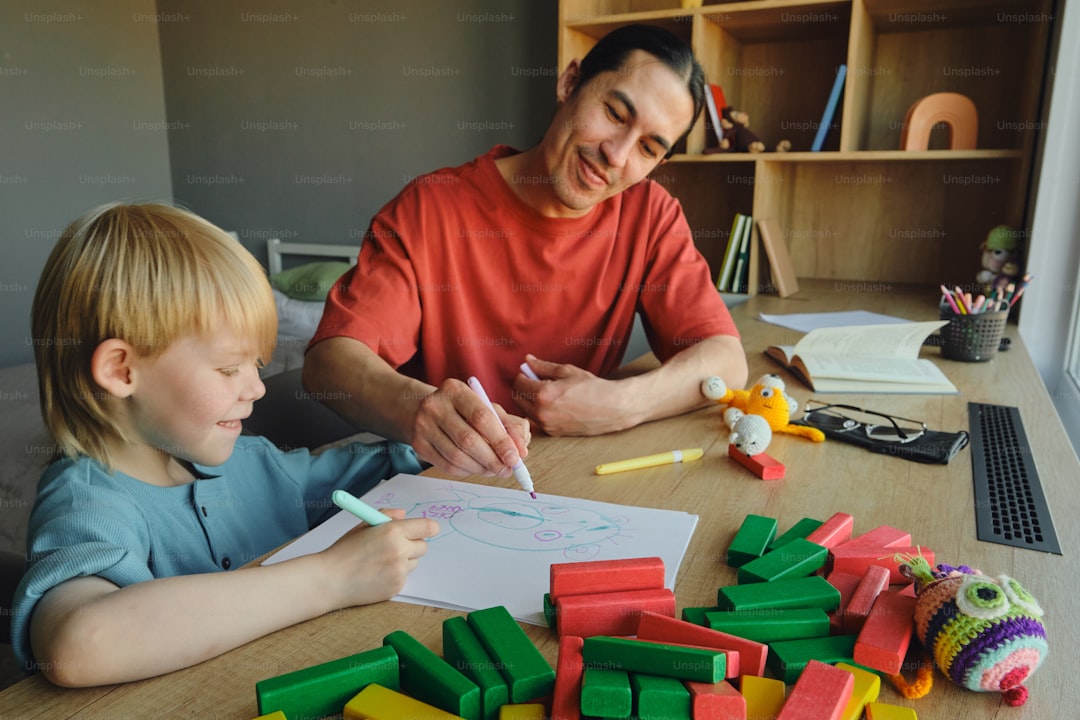
First, picture this. You walk into a bright, busy school building. Kids are laughing in the hallways, a few are rushing to class, and some look a little worried. Your job is to be the person who listens. You might meet one-on-one with a student who is feeling sad or angry. You might run a small group where kids learn how to calm down when they are upset. You might even help a whole classroom figure out how to get along better. School counselors are like the heart of the school. You are there for the big stuff, like when a student is dealing with a loss, and the small stuff, like helping someone decide what classes to take next year.
Now, why are schools and universities hiring so many counselors? Because they finally realize that mental health matters just as much as math and reading. Kids cannot learn if they are scared, lonely, or overwhelmed. So schools are adding more counselors to their teams. They need people who are kind, patient, and ready to listen without judging. That could be you.
Maybe you are coming right out of a degree program, or maybe you are switching careers after doing something else for a while. Either way, there is a place for you. Many school districts are desperate for counselors, especially in areas where there are not enough. They often offer good pay, steady hours, and lots of holidays and summers off. Plus, you get to watch young people change and grow right in front of you. That feeling is hard to beat.
Universities are also hiring counselors. College students face their own challenges, like being away from home for the first time, feeling pressure to get good grades, or dealing with relationships. Working at a university means you help young adults who are just starting their own lives. You get to be a guide, a cheerleader, and a safe person they can trust.
So how do you get started? First, you need a degree. Most school counselor jobs require a master’s degree in school counseling or a similar field. That might sound like a lot, but it is totally doable. Many programs let you take classes online or at night while you keep your current job. You will learn about how kids think, how to help them handle emotions, and how to work with teachers and parents. You will also do a practicum, which is like a trial run where you work in a real school with a real counselor watching over you.
After you finish your degree, you have to get a license or certification. Every state has its own rules, but usually you need to pass a test and do a certain number of hours working under supervision. It is not as scary as it sounds. There are study guides and practice tests to help you get ready.
Once you are licensed, the fun part begins. You start looking for jobs. Schools and universities post openings online, but you can also network. Talk to people you met during your training. Ask your professors if they know anyone hiring. Go to job fairs. Be friendly and let them know you want to help.
When you get an interview, be yourself. Talk about why you care about kids. Share a story about a time you helped someone, even if it was just a friend or family member. Show them you are the kind of person a student would feel safe talking to.
Working in a school or university is not always easy. Some days are tough. You might hear sad stories. You might feel like you are not making a difference fast enough. But stick with it. The small moments, like a student saying thank you or a teacher telling you that a kid is doing better, those moments are gold.
If you are thinking about this path, go for it. Schools and universities need you. Kids need you. You have the heart for it, and you can build the skills. Take it one step at a time, and soon you will be the counselor that someone remembers for the rest of their life.