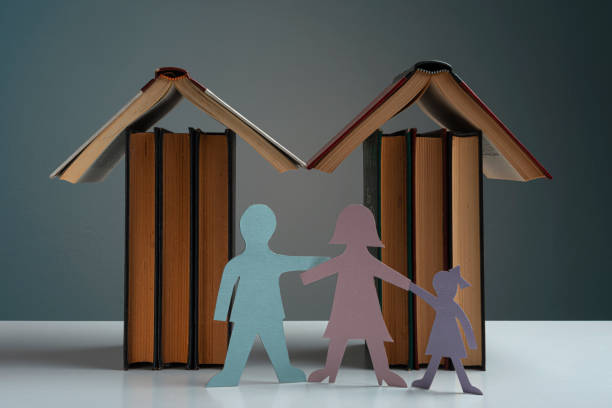
Life can throw some really tough stuff at families. Maybe you have seen it yourself. Parents lose jobs. Kids struggle in school. A divorce splits the house in two. Sometimes a loved one gets sick, and everything feels scary. When these hard times hit, families can feel like they are all alone, trying to hold everything together by themselves. But there is good news. Social workers are people who step in and say, “You do not have to do this alone.” They help families find their footing again. They help kids and parents thrive, even when life is messy.
Social workers do not show up with magic wands. They show up with kindness, patience, and real know-how. They listen first. That is a big deal. When a family is in crisis, sometimes the most helpful thing is just having someone who really hears you. A social worker sits down with parents and kids and asks, “What is going on? What feels hardest right now?” They do not judge. They do not tell you that you should have done things differently. They just listen. And from that listening, they start to figure out what will actually help.
Maybe the family needs food. A social worker knows exactly where the local food bank is and how to get signed up. Maybe the parents are overwhelmed and yelling a lot. A social worker can connect them with a parenting class that teaches calm, practical ways to handle tough moments. Maybe a kid is acting out because they are sad or scared. The social worker might set up play therapy, where the kid can draw pictures or use toys to show what they cannot say in words. Children do not always have the words for big feelings, but social workers know how to help them express those feelings in safe ways.
Another huge thing social workers do is help families talk to each other. When there is a lot of stress, families sometimes stop really talking. They just survive. Social workers can run family meetings where everyone gets a turn to speak. They teach parents how to ask their kids open-ended questions like, “What was the best part of your day?” instead of “Did you do your homework?” They teach kids how to tell their parents, “I feel scared when you yell,” in a way that does not start a fight. These skills do not fix everything overnight, but they build a stronger foundation. Over time, families start to feel more like a team.
Social workers also step in when things are really serious. If a child is being hurt or neglected, a social worker is the one who makes sure that child is safe. That is a hard job. But it is also a deeply important one. They work with the whole family to help them get the support they need so that kids can grow up in homes where they feel loved and protected. They do not give up on families easily. They believe that with the right help, most families can turn things around.
What about the kids themselves? Social workers spend a lot of time helping children build resilience. Resilience is a big word that just means the ability to bounce back after hard stuff. Social workers teach kids how to name their feelings. They help them learn breathing exercises to calm down when they are angry. They encourage kids to find one or two trusted adults they can talk to—maybe a teacher, a grandparent, a coach. Having even one person who believes in you can change a child’s whole future. Social workers become that person for many kids.
Parents also get support. Being a parent is already tough, and when life adds extra weight, it can feel impossible. A social worker might meet with a mom or dad once a week just to check in and say, “How are you doing?” That simple question can mean the world. They can help parents find childcare, job training, or counseling for their own mental health. When parents feel stronger, their kids feel stronger too.
The goal of all this work is not just to get through the hard time. It is to help families thrive. That means they do not just survive—they actually grow closer, learn new skills, and feel more hopeful about the future. Thriving looks different for every family. For some, it means a mom finally gets her GED. For others, it means a shy kid makes a friend at school. For others, it means a family sits down to dinner together and actually laughs.
If you have ever thought about becoming a social worker, know this: you can be the person who helps a family find their way. You do not have to be perfect. You just have to care, be willing to listen, and want to learn. The world needs more people who stand beside families during hard times and help them see that they are stronger than they think. You can be that helper. And when you help a family thrive, you help the whole community grow.