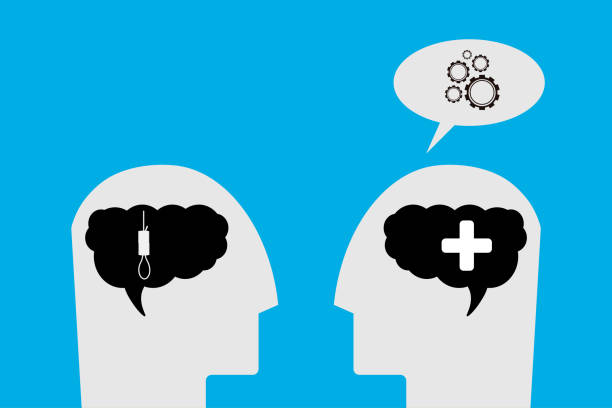
Imagine you are a kid sitting in class and your brain feels like a tangled ball of yarn. Maybe you are worried about a test, or you cannot focus because your parents are fighting at home, or you feel lonely because you do not have friends. You want to do well in school, but something is blocking you. Who do you turn to? In many schools, there is a special person trained to help you untangle that yarn. That person is a school psychologist.
A school psychologist is not the same as a therapist you see in an office. They work right inside the school building, side by side with teachers, principals, and parents. Their job is to make sure every student can learn and feel safe, no matter what challenges they face. If you are thinking about a career in psychology and you love working with kids, school psychology might be the perfect path for you.
So what does a school psychologist actually do every day? A big part of the job is figuring out why a student is struggling. Maybe a student cannot read well or has trouble paying attention. The school psychologist will talk to the student, watch them in class, and look at their schoolwork. They might give tests that are more like fun puzzles than scary exams. All of this helps them understand what the student needs. Then they work with the teacher to create a plan. For example, a student with ADHD might get extra breaks or a quiet spot to take tests. A student who feels very anxious might get a safe place to calm down before math class.
But school psychologists do not only help students who are having a hard time. They also help whole groups of kids learn skills like how to handle anger, how to make friends, and how to deal with stress. They might run a small group called a “friendship club” where kids practice talking to each other. Or they might teach a whole class about bullying and how to be kind. When something big happens in a school, like a tragedy or a scary event, the school psychologist is there to help students and teachers cope.
Another huge part of this job is working with parents and teachers. A school psychologist might sit in a meeting with a mom, a dad, and a teacher to talk about a child’s progress. They explain things in simple words so everyone understands. They help parents feel heard and give them tips to use at home. They also train teachers on how to handle tough situations, like a student who has a meltdown or refuses to do work.
Now, how do you become a school psychologist? It starts with getting a bachelor’s degree in psychology or a related field. That is like a basic foundation. After that, you need to go to graduate school for a specialist degree, which takes about three more years. Some people get a doctoral degree, but the specialist degree is enough for most jobs. In graduate school, you learn all about child development, how to do tests, and how to help kids with different problems. You also do a lot of hands-on practice, called an internship, in a real school. It is like a test drive for your career. After you graduate, you need to get a license from your state. Then you can start applying for jobs.
The best part? School psychologists are needed everywhere. Schools all over the country look for people who care about kids and know how to help. The job is stable, and you get summers off if you work in a regular school, just like teachers. But more than that, you get to see kids grow and change because of your help. A student who used to hate coming to school might one day smile at you and say, “I got an A on my science test!“ That feeling is priceless.
If you are thinking about a career that mixes psychology with real, everyday help, school psychology is a great choice. You do not need to be a superhero. You just need to be someone who listens, cares, and wants to make school a better place for every student.