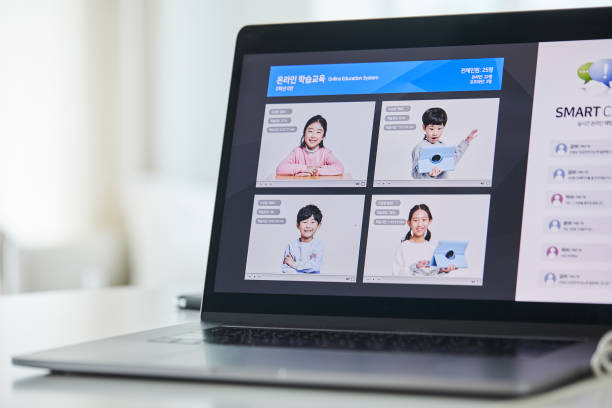
If you are thinking about becoming a therapist, you probably know that a big part of the job is talking to people. But talking to someone face to face is one thing. Talking to them through a screen is a whole different ballgame. That is why many online degree programs now include training in something called mock telehealth sessions. These are pretend therapy sessions that you do over video, just like the real thing, but with a classmate or a teacher playing the part of the client. Let me tell you why this is such a great way to learn.
First, mock sessions let you make mistakes without hurting anyone. When you are learning to be a therapist, you are going to say the wrong thing sometimes. Maybe you will ask a question that sounds too pushy, or you will stay quiet for too long, or you will forget to listen carefully. In a real session with a real person who is hurting, those slip-ups can be a big deal. But in a mock session, your “client” knows it is just practice. They can tell you, “Hey, that question made me feel weird,” and you can try again. You get a safe space to mess up and learn. That is priceless.
Second, you get used to the tech stuff. Telehealth is not just about talking. You have to know how to check your camera angle, adjust your lighting so your face is not in shadow, and make sure your microphone picks up your voice clearly. You also need to learn how to share your screen if you want to show a worksheet or a breathing exercise. In a mock session, you can fumble with all these buttons without a real client waiting on you. You can figure out why your video keeps freezing or why your background looks like a messy closet. By the time you graduate, you will be a pro at logging in and starting a session in under a minute.
Another big thing is learning to read body language on a small screen. When you are in the same room with someone, you can see their whole body. You can tell if they are fidgeting, crossing their arms, or leaning forward. On a video call, you only see their face and maybe their shoulders. That means you have to pay extra attention to tiny clues like the way their eyebrows move or how fast they blink. Mock sessions train your eyes to catch those small signals. Your teacher or your classmates can give you feedback like, “Did you notice how their eyes looked down when you asked about their family?” That kind of practice makes you a better observer.
You also get to practice your own listening skills. In a real therapy session, you have to listen carefully while also thinking about what to say next. It is like juggling. On a video call, it can be even harder because there is a tiny delay sometimes, or the other person’s voice might sound a little muffled. Mock sessions help you learn how to pause, ask for clarification, and make sure you understand before you respond. You also learn how to use your own voice and expressions to show you care. A simple nod or a warm “uh-huh” can go a long way when the other person cannot see your whole body.
Some online programs even record your mock sessions so you can watch them later. That might sound weird, but it is super helpful. When you watch yourself, you notice things you never noticed in the moment. Maybe you realize you interrupted too much, or you kept looking off to the side instead of at the camera. You can see your own growth over time. That is way better than just reading about how to do therapy from a textbook.
Finally, mock sessions help you build confidence. The first time you sit down in front of a camera to “be a therapist,” your heart might race. You might feel fake or nervous. But after a dozen or more practice sessions, that feeling fades. You start to feel like you actually know what you are doing. When you finally get your first real client, you will remember all those mock sessions and think, “I have done this before. I can handle it.”
So if you are looking at online degree options and you see a program that offers mock telehealth training, that is a big green light. It means they want you to be ready for the real world. And trust me, your future clients will thank you for it.