When I first started looking into online degree options for becoming a therapist, I had one big worry. How was I supposed to get real client hours if I was studying from home? It felt like a trick. You need hands-on practice to help people, but you are learning on your computer. I want to tell you straight up that it is totally possible. Virtual clinical hours are a real thing, and they can be just as powerful as in-person training. Let me walk you through one way this works that might surprise you.
One random topic that comes up a lot for students like us is using virtual role play to practice therapy sessions. Now, I know what you might be thinking. Role play sounds fake. How is pretending to be a client going to teach me anything real? But trust me, it works in a big way. Here is how it goes.
Your program will likely set up a safe online space where you and a few other students log in at the same time. One person acts like the client. They pick a problem they are okay sharing, like feeling stressed about school or having a tough time with a friend. Another person acts like the therapist. The rest of the group watches quietly. Then after about fifteen minutes, you all talk about what happened. The fake client tells you how it felt. The watchers give tips. The instructor helps you see what you did well and what you could try next time.
I did this myself a few months ago, and it felt weird at first. I was sitting in my bedroom with my headphones on, trying to look calm while my classmate pretended to be upset about losing her job. My hands were shaking. But after a few sessions, I started to get the hang of it. I learned how to ask questions without sounding pushy. I figured out when to stay quiet and just let the person talk. Those are skills you cannot get from a textbook.
The really cool part is that virtual role play lets you make mistakes without hurting anyone. In real life, if you say the wrong thing to a client, you might lose their trust. That is a big deal. But in a practice session, you can mess up and just laugh about it. You learn faster that way. Plus, you get to try different therapy styles. Maybe you want to try being extra gentle one time, and then more direct the next time. You get to see what fits you best.
Some programs even use actors who are trained to act like real clients. These are not your classmates. They are professionals who know how to show real emotions like anger or sadness. You pay for the session, but it is worth it. You get practice with someone who will not judge you, and they give you honest feedback. That helps you build confidence before you ever talk to a real person.
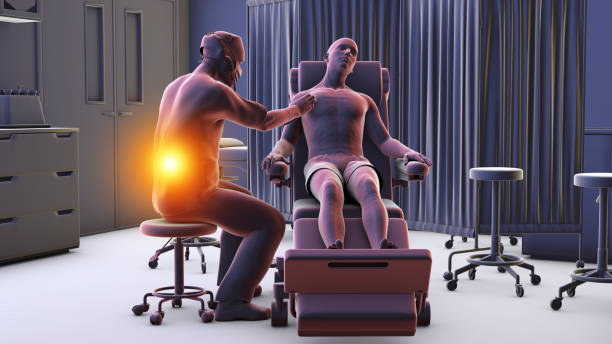
Another option is doing telehealth practice hours. That means you actually talk to real people who need help, but you do it over video. The school sets everything up. You have a supervisor watching your session from another room online. Afterward, they talk with you about what you did. This is as close to real life as it gets. You learn how to handle technical problems, like when the internet cuts out or someone’s camera freezes. You also learn how to read body language through a screen, which is a skill all its own.
If you are worried about not feeling connected to your clients through a screen, do not stress. Many people actually prefer online therapy. They feel safer in their own homes. So you are giving them a real service. And you are getting real hours that count toward your degree.
The key is to jump in with an open mind. Do not let nervousness stop you. Every therapist started somewhere. Virtual clinical hours are your chance to start practicing today, right from your living room. You will learn things you never expected. And when you finally graduate, you will have real stories to tell about the people you helped, even if you never shook their hand.
So go ahead and sign up for that online role play group. Say yes to the virtual practicum. You are building a career where you will change lives. And it all starts with a little practice on your screen.