Imagine you are a kid sitting in a room with a stranger who is asking you questions about your feelings. You probably wouldn’t want to talk either. For many children, talking directly about problems like divorce, a new sibling, or feeling sad at school is really hard. They might not have the words to explain what is going on inside their head. That is where one of the most powerful tools for therapists comes in. It is a simple but amazing way to help children share their thoughts. It works almost like magic, but really, it is just good science and a lot of heart.
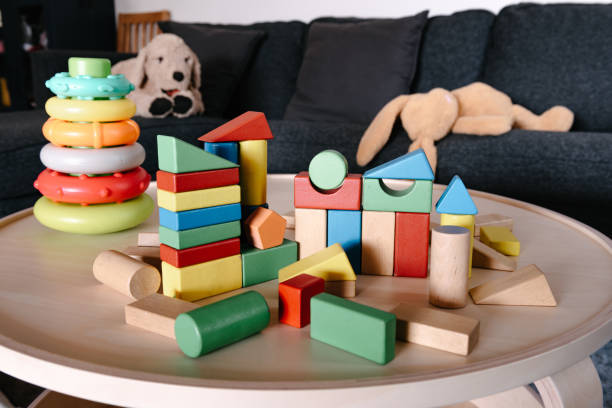
Play is the natural way that children communicate. It is how they learn about the world, work through scary things, and practice being a grown-up. When a child builds a tower with blocks and then knocks it down, they might be showing feelings of anger or frustration that they cannot say out loud. When a child makes a family of dolls have a fight or a happy picnic, they are telling a story about their own life. A therapist who works with kids knows that the toys in the room are not just for fun. They are tools. Every doll, art supply, or sandbox is a way for a child to tell their story without using big, scary words.
Therapists trained in working with children do not just sit there and watch. They follow the child’s lead. If the child wants to play with a puppet that is scared of the dark, the therapist might talk in a puppet voice and ask questions like, “What makes you so scared?“ This lets the child answer for the puppet, not for themselves. This makes it feel safer. The therapist is like a detective looking for clues, but instead of looking for fingerprints, they are looking for patterns in play. A child who always puts the angry dinosaur in charge might be telling the therapist that they feel like they have no control at home.
Sometimes, the best conversations happen while the child’s hands are busy. I have seen a teenager who refused to talk about their parents fighting. Instead, they grabbed clay and made a lumpy, twisted shape. The therapist asked, “What does that feel like?“ The teen said, “It looks like my stomach feels.“ That simple moment broke the ice. The child could finally talk about how the fights made them feel sick. The clay did the talking first. The words came second.
One of the most important jobs of the therapist is to make the therapy room a place where the child is in charge. In real life, children are told what to do all day. In therapy, they get to choose the game, the toy, and the activity. This gives them back a sense of power that they might have lost. A child who feels powerless because their parents are arguing suddenly gets to be the king or queen of the playroom. This freedom is the first step to healing.
Families can get involved too. Sometimes, a therapist will use what is called a “directed play” activity. The therapist might ask the family to build something together or draw a picture together. How they interact during this simple activity tells the therapist a lot. Does the parent take over? Does the child give up? Do they work as a team? This is not about making a perfect drawing. It is about seeing how the family works and finding ways to help them work better.
Working with children as a therapist is not always easy. You have to be patient. You have to be silly. You have to let go of control. But the rewards are huge. When a child finally trusts you enough to show you their feelings, even without speaking, you are building a bridge. That bridge helps the whole family. The child feels heard. The parents learn new ways to understand their child. And the therapist gets to see a family turn from being stuck to being connected again.
If you are thinking about becoming a marriage and family therapist who works with kids, get ready to play. Get ready to sit on the floor. Get ready to be surprised every single day. You will not just be a listener. You will be a playmate, a detective, and a guide. And you will help families find their way back to each other, one toy, one story, and one game at a time.