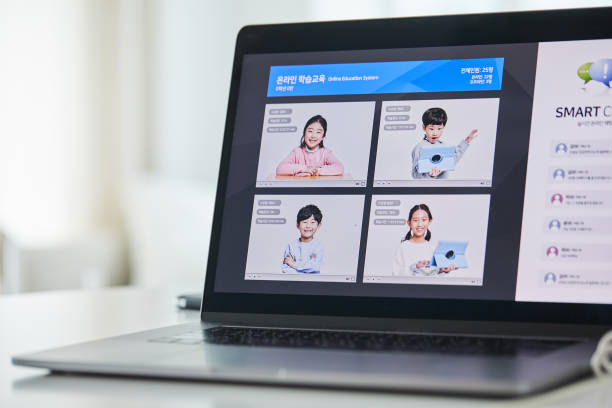
You want to help people. Maybe you want to be a counselor, a social worker, or a therapist. But you also have a job, a family, and bills. Going back to school can feel like a big mountain. The good news is you do not have to climb it all at once. Hybrid programs can make the climb easier. A hybrid program mixes online classes with some time on campus. That mix gives you more control over your week. It is a smart choice for people who need both learning and real life.
Think about your normal day. You wake up, get kids ready, go to work, make dinner, and maybe fall asleep on the couch. Adding classes sounds impossible. With a fully online program, you might miss face-to-face help. With a fully campus program, you might miss too much work. A hybrid program sits in the middle. You do part of your learning online when it fits your schedule. Then you go to campus for hands-on practice, group talks, or meetings with teachers. This blend is the best of both worlds.
For therapy careers, hands-on practice matters a lot. You cannot learn everything from a screen. You need to practice listening, asking good questions, and showing care. You need feedback from a teacher who watches you. Hybrid programs give you that. You might do readings and watch videos online. Then you meet on campus to practice with classmates. You might take turns playing the helper and the person asking for help. That kind of practice builds confidence.
Flexibility is the big win. Maybe you work mornings and can study at night. Online work often lets you choose when to log in. You can watch a lesson after your shift. You can write a paper during your lunch break. Then campus days are planned ahead. You know when you must be there. That makes it easier to ask for time off or find a sitter. You are not running to campus five days a week. You are going when it matters most.
Hybrid programs can also cost less in hidden ways. You may save on gas. You may save on parking. You may save on meals out. You may not need to move close to campus. If you already have a job, you can often keep working while you learn. That means less debt and less worry. You can keep your health insurance. You can keep your home. You can keep your routine as much as possible. That stability helps you focus on school.
Another good thing is the people. Online classes can feel lonely. Hybrid programs help you meet others who want the same career. You sit in a room with people who understand your goals. You practice together. You study together. You encourage each other. Some of these people may become friends or coworkers later. In therapy work, having a support team is important. You learn how to lean on others and how to help them too.
You may wonder if hybrid learning is as good as being on campus all the time. It can be. The key is to use your time well. Make a plan each week. Write down your online tasks. Pick quiet times to study. Ask for help when you need it. Go to campus ready to learn. Talk with your teachers. They want you to succeed. If you feel behind, speak up early. Most schools have tutors and advisors. You do not have to do this alone.
Hybrid programs are not always easy. You still have to do the work. You still have to read, write, and practice. You still have to show up. But the schedule can bend around your life. That bend makes a big difference. It can turn a dream into a real plan. If you want to help people for a living, you deserve a path that works for you. A hybrid therapy degree may be that path. It blends online learning with being together in person. You can keep your life and build a new career at the same time.