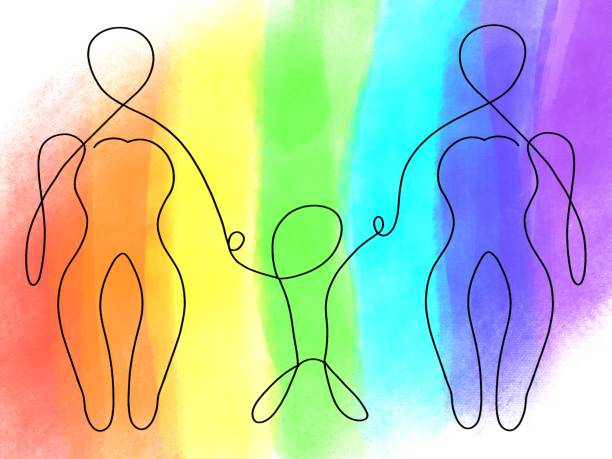
Have you ever played on a seesaw? When one side goes up, the other goes down. To keep it steady, both sides have to work together. That is like a family. Families are like seesaws, or like a mobile hanging over a crib. When one part moves, all the other parts move too. That is the big idea of something called family systems theory.
In family systems theory, we think of the family as one big, living thing, not just a bunch of separate people. Each person in the family is connected to everyone else. What one person does changes what the others do. And the family works hard to keep a certain kind of balance. That balance is called homeostasis. Homeostasis might sound like a big word, but it just means “the way things stay the same.“ Families really like staying the same, even when the same is not that great.
Think about a family where the mom does all the cooking and the kids fight every night. That is their routine. Now imagine the mom wants one night a week where everyone cooks for themselves. The kids suddenly forget how to make toast. The dad says, “You’re better at this.“ The family gets sad or angry until the mom gives up. That is not because they are mean. It is because their system wants to keep its balance. The family feels safer when things are the same, even if the same is not perfect.
This is the number one thing therapists learn about families. When you try to help one person in a family change, the whole family works, usually without knowing it, to pull that person back. It is like the family is a rubber band. You stretch one side, and the band snaps back. That can be frustrating for the person who wants to change. And it is a huge reason why individual therapy for a family member so often does not last. The person goes back home, and the home starts “fixing” them again. But not in a good way.
As a future marriage and family therapist, you need to keep your eyes open for these balancing acts. You might see a husband who wants to spend less time at work and more time with the kids. The wife might say she loves that idea, but then she starts making plans for him on the weekends. Or she gets annoyed when he changes the diaper the “wrong” way. That is her part in keeping the balance. You might see a kid who gets good grades, and then suddenly the family has a big fight every time report cards come out. The kid might start failing on purpose to get the family to calm down. It sounds crazy, but it is real.
The good news is that you can use this understanding to help families. Instead of trying to change one person, you help the whole family see their balancing habits together. You say, “I notice that every time you get a raise, you start feeling sick.“ Or “Every time the oldest child goes off to college, the parents start fighting more.“ When the family sees the pattern, they can decide to change the pattern together. That is a lot more powerful than making one person feel like the problem.
Also, remember that homeostasis is not always bad. Some families have a good balance. They hug, they laugh, they give each other space. That balance feels great, and nobody wants to change it. Your job is not to break everyone’s balance. Your job is to help families find a balance that actually works for them. If the current balance causes pain, you help them build a new one.
Family systems theory is really just a way of saying: nobody lives alone in a bubble. We all affect each other. And that is a beautiful and tricky thing. For a therapist, it means you are always looking at the whole picture, not just one part. You are looking at the mobile, not just the one star hanging from it. When you see that, you stop blaming the kid or the mom or the dad. You start asking, “How can we all move together into a better place?“ That is what marriage and family therapy is all about.