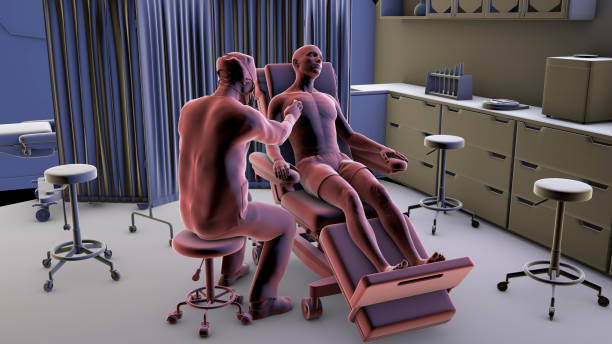
Imagine you are sitting in a room with a person who is really upset. They are crying. They are angry. They do not know what to do with their life. You want to help them, but you have never done this before. Your heart is pounding. Your mind goes blank. What do you say?
For a long time, the only way to learn how to handle that moment was to jump into a real session with a real person and hope you did not mess up too badly. Scary, right? But now there is a new option that changes everything. It is called virtual reality clinical hours, and it is kind of like a flight simulator for therapists.
Think about how pilots learn to fly. They do not just get into a real plane full of passengers on day one. They spend hours in a simulator. The simulator looks real. It sounds real. Things go wrong in the simulator, like an engine failing or a storm coming. The pilot learns how to stay calm and fix the problem without anybody getting hurt. Then, when they get into a real plane, they have already practiced the hard stuff.
Virtual reality clinical hours work the same way for people who want to become therapists or counselors. You put on a headset and suddenly you are in a room with a person who is not real, but who acts very real. This person is an avatar, which is just a fancy word for a computer character. But this character can talk to you. They can cry. They can get mad. They can even sit in silence and refuse to talk, which is one of the hardest things for a new therapist to handle.
The coolest part is that you get to practice without fear. If you say the wrong thing, nobody gets hurt. If you freeze up, you can just pause and try again. The avatar does not judge you. Your teacher or supervisor can watch what you do and give you advice right in the middle of the session. You can rewind and see exactly where you went off track. It is like having a do-over button for real life.
Some people worry that practicing with a computer character will feel fake. They think it will not prepare them for the real thing. But studies show that our brains react the same way to a virtual person as they do to a real person. When the avatar cries, your heart rate goes up. When they get angry, you feel nervous. Your body thinks it is real, even though your brain knows it is a simulation. That is what makes it such good practice.
Another big benefit is that you can practice things you might not see very often in real life. If you do your internship at a small clinic, you might only see people with mild anxiety. But in a virtual reality program, you can practice with a person who is having a panic attack, a teenager who is thinking about suicide, or a couple that cannot stop fighting. You get experience with the tough cases before you ever have to face them for real.
Of course, virtual reality hours do not replace real hours completely. You still need to work with real human beings to finish your degree and get licensed. But virtual hours count toward your practice time in many programs. They give you a safe place to build your confidence. When you finally sit across from a real person, you are not a beginner anymore. You have already practiced dozens of sessions. You know what to do when somebody cries. You know how to handle silence. You have made your mistakes in a fake world, so you are ready to help in the real one.
The bottom line is this. Becoming a therapist is hard work. You have to learn how to sit with pain and not run away. You have to learn how to help people without fixing everything for them. Virtual reality clinical hours give you a way to learn those skills without the pressure of a real person depending on you. It is practice with a safety net. And when you are learning how to hold someone else’s pain, a safety net is exactly what you need.