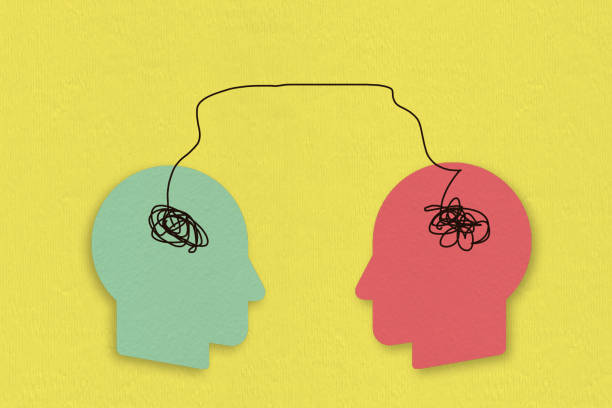
So you’re thinking about a Master’s in Psychology. That’s a big deal. It means you’re past the basics and you’re ready to get serious. This isn’t just another degree. It’s your ticket to actually doing the work. It’s the key that turns general knowledge into a real, meaningful career helping people. Let’s talk about what this next step really means for you.
First, understand this: a bachelor’s degree in psychology opens the door, but a master’s degree walks you through it. With just a bachelor’s, your options in the field of therapy and direct help are very limited. A master’s changes everything. It is the required level of education for most jobs where you can provide counseling, therapy, or direct mental health services. Think of it as moving from learning about cars to being the licensed mechanic who fixes them. This degree is where you go from theory to practice.
Now, the path splits, and you need to choose your direction carefully. The two main routes are the Master of Arts (MA) and the Master of Science (MS). Don’t let the names scare you. An MA often focuses more on the practical side of things—like therapy techniques and human behavior in real-world settings. An MS might lean a bit more into the science and research behind the psychology, looking at data and studies. But both can lead to becoming a therapist. The most important choice is the program type itself. You will want to look for programs that say they are “license-eligible.“ This means the courses are designed to meet the specific rules your state has for becoming a licensed professional, like a Licensed Professional Counselor (LPC) or a Licensed Marriage and Family Therapist (LMFT). If your goal is to sit with clients, this is the only kind of program you should consider.
What will you actually learn? Get ready to roll up your sleeves. Your classes will dive deep into things like how to diagnose mental health challenges, the ethics of therapy, different theories of counseling, and specific techniques for helping individuals, couples, and families. You will also do supervised clinical training. This is where you get real experience. You will work with real clients under the watchful eye of a licensed professional. It’s the most valuable part of your education. It’s your job training.
Let’s talk about the careers this degree unlocks. With a master’s in psychology from the right program, you can become that licensed therapist in private practice or at a community health center. You can work as a school counselor guiding students. You can help veterans, work in rehabilitation centers, or support people struggling with addiction. The world of therapeutic help is wide open. These are stable, in-demand jobs where you make a direct difference every single day. You are not just reading about change; you are creating it.
Making the decision to get your master’s is a commitment of time, money, and energy. It is a serious step. But for people who feel called to help others heal and grow, it is the necessary step. It transforms your interest into your identity as a professional helper. TherapyDegree.com is here to help you navigate that choice. We break down the degree programs, explain the job training, and show you the careers that await. Your next step is clear. A Master’s in Psychology isn’t just more school—it’s the launchpad for the career you actually want.