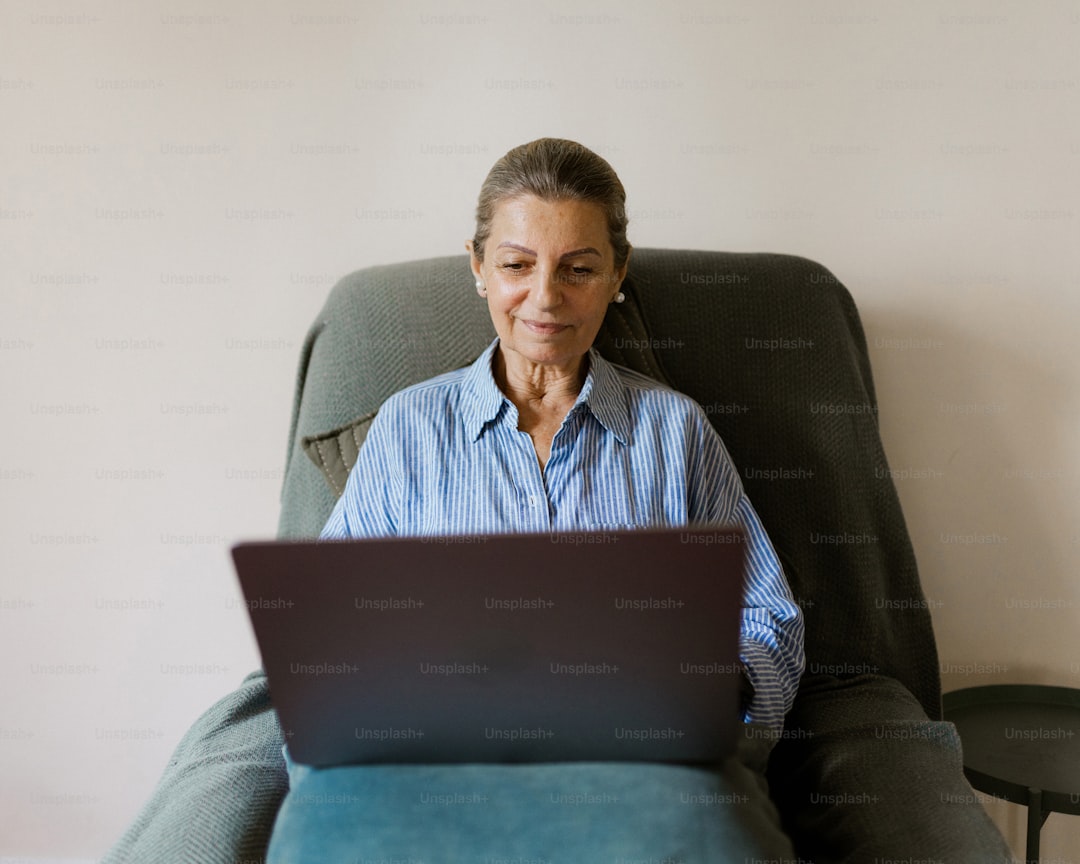
When you decide to go back to school for a therapy degree, you are making a big step. Maybe you want to help people work through tough times. Maybe you want to listen and guide others toward better mental health. Either way, you have a goal. And a hybrid program can help you reach that goal. A hybrid program mixes online classes with in-person meetings. You get to learn from home some days, and on other days you go to a campus or a local center to practice skills. That mix gives you flexibility, which is great if you work, have a family, or just need to save time on driving. But there is something else you need to think about: staying connected.
In a hybrid program, it can be easy to feel like you are on your own. You watch a video lecture at 10 p.m. in your pajamas. You read your textbook while sipping coffee. Then you drive to a classroom once a week and suddenly you are surrounded by people. That switch can feel strange. Some students start to feel lonely or left out. They miss the simple things like asking a question right after class or chatting with someone in the hallway. If you are training to become a therapist, connection is not just a nice extra thing. It is the heart of what you will do. Therapists need to build trust with people. They need to listen, understand, and care. If you cannot stay connected with your own classmates and teachers, it will be harder to learn that skill.
So how do you stay connected in a hybrid program? It starts with being intentional. That means you do not just wait for connection to happen. You make it happen. For example, when you have an online class, turn on your camera. I know it can be tempting to keep it off. Maybe you do not want to brush your hair or clean up your background. But seeing faces helps everyone feel like a real group. When you show your face, you are saying, “I am here, and I care.“ Your classmates will see you smile, nod, or look confused. That little bit of seeing each other builds a bridge.
Another way to stay connected is to start a study group. You can do it online using a free video call. Pick a time each week to meet with two or three others from your program. You do not have to study hard the whole time. You can talk about what you learned, ask questions, or just vent about a hard assignment. That group becomes your little team. You can cheer each other on. Later, when you become a therapist, you will know how important it is to have a support network. Start building that network now.
Also, do not be afraid to reach out to your teachers. In a hybrid program, instructors often have office hours by video or phone. Use them. Ask a question about a case study. Tell them you are struggling with a concept. Or just say thank you for a good lecture. Teachers remember students who reach out. They can also give you advice and help you feel less alone. Building a relationship with a professor can lead to recommendations later or even job leads.
Another simple trick is to use the chat box in your online classes. Type a quick answer when the teacher asks a question. Throw in an emoji or a “that makes sense” comment. That tiny text keeps you part of the conversation. When you are in person, make an effort to sit next to the same people. Say hi. Ask how their week went. It might feel awkward at first, but most people are just as shy as you are. If you break the ice, they will be grateful.
Remember why you chose a hybrid program in the first place. You wanted flexibility to learn on your time. That is good. But do not let flexibility turn into isolation. You are training for a job that is all about people. Therapists do not just sit in a room and nod. They connect. They feel. They care. So start practicing that now. Stay connected with your classmates. Stay connected with your teachers. And most of all, stay connected with yourself. Check in with how you are feeling. If you feel lonely, do something about it. Send a message. Join a group. Show up in person with a smile.
A hybrid program gives you the best of both worlds: you can learn at home and practice face to face. But the magic happens when you bring those two worlds together. When you make an effort to be present, even when you are online, you build the muscle of connection. That muscle will serve you well when you sit across from a client for the first time. You will know how to look them in the eye, listen deeply, and make them feel safe. That is what therapy is all about.
So go ahead. Enroll in that hybrid program. Embrace the flexibility. But do not forget to reach out and hold on tight to the people around you. They are on the same journey. And together, you can become the kind of helper the world needs.