When adults feel upset or scared, they can talk about it. They have the words to say “I’m angry” or “I’m sad.” But kids? Not so much. A seven-year-old might not know why they feel bad, or how to explain it. That’s where play therapy comes in. Play therapy is a special kind of counseling for children. Instead of sitting in a chair and talking, kids get to play. And through play, they share what’s going on inside their heads and hearts.
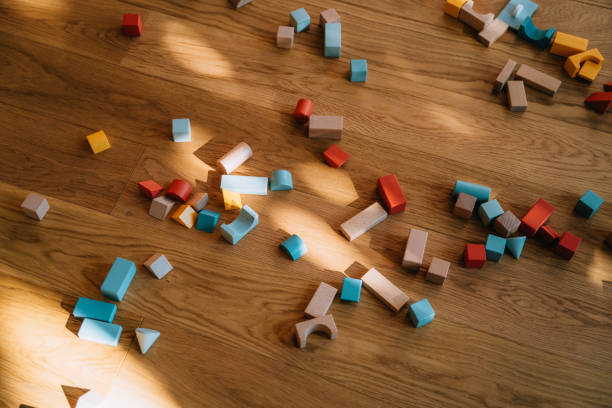
You might think play is just for fun. And it is fun. But for a child, play is also a way to figure out the world. Think of a kid building a block tower. When it falls, they learn about gravity and patience. When they rebuild it, they learn about trying again. In play therapy, the same thing happens with feelings. A child might use a doll to act out a fight they saw at home. Or they might make two animal figures fight with each other. They’re not just being silly. They’re showing the counselor what happened and how it made them feel.
The big reason play therapy works is because kids don’t have a big vocabulary. They haven’t learned all the words for emotions yet. Instead, they use actions. If a child is mad, they might throw a ball across the room. In play therapy, that’s not bad behavior. That’s information. The counselor watches and notices. Then the counselor can help the child understand that anger is okay. And slowly, the child learns new ways to deal with that anger.
So what happens in a play therapy room? It’s full of toys. But not just any toys. There are dolls, action figures, puppets, art supplies, sandboxes, and even costumes. Each toy is like a word for the child. A kid who feels small might pick a tiny mouse puppet. A kid who wants to feel strong might grab a dinosaur. The counselor doesn’t say, “What does that mean?” Instead, the counselor lets the child lead. Sometimes the child will talk about the toy. Sometimes they won’t. And that’s fine. The play itself is the message.
For example, a child who has been through something scary might repeatedly knock down a tower of blocks. That helps them feel in control of something big. A child who misses a parent might wrap a baby doll in a blanket and rock it. That’s them showing care and worry. A child who feels stuck might draw a maze with no way out. The counselor will then ask gentle questions like, “What happens if you try another door?” That helps the child think about solutions.
The counselor in play therapy is not a teacher or a boss. They are like a guide. They make the child feel safe and welcomed. The room is a place where anything is allowed, as long as no one gets hurt. The child can make a mess. They can be loud. They can act silly. This freedom lets them open up without fear. Over time, the counselor helps the child connect their play to real life. They might say, “I noticed the two robots kept bumping into each other. Is that like something at home?” The child might not answer. But just saying it out loud plants a seed.
Play therapy helps with many problems. Kids who are anxious, angry, sad, or dealing with big changes like divorce or moving can all benefit. It also helps kids who have trouble making friends or paying attention. The skills they learn in play therapy last beyond the session. They learn to name their feelings. They learn to solve problems. They learn that they are strong and capable.
One important thing to know is that play therapy is not just free playtime. It’s planned and careful. The counselor has training in child development and mental health. They know what to look for. Every toy and game has a purpose. Some sessions might feel like pure play. But behind the scenes, the counselor is tracking progress and making changes to help the child grow.
If you are a parent reading this, you might wonder, “Will my child really open up through play?” The answer is yes. It might take a few sessions. But kids are natural players. Once they feel safe, they start showing what’s inside. And that’s the first step to feeling better. Play therapy uses what kids already know how to do. It meets them where they are. It doesn’t ask them to be little adults. It lets them be kids.
So if you know a child who’s going through a tough time, remember this: play is powerful. It’s not just a break from the hard stuff. It’s a way through the hard stuff. With the right counselor and the right toys, a child can heal. And that’s a beautiful thing.