If you have ever spent time with a young child, you know they don’t always sit down and say, “I feel sad because my parents are fighting.” Kids just don’t have the words yet. Their feelings live inside their bodies and in their actions. They might throw a toy, hide under a blanket, or draw a picture of a monster. That’s where play therapy comes in. It is a special way for trained counselors to help children work through hard things using the language kids already know: play.
Let me tell you how it works. Imagine a child named Leo. He is six years old. His parents recently got divorced. He doesn’t understand why his dad moved out. He feels confused and angry inside, but when you ask him how he feels, he just shrugs and runs off to play with his cars. A play therapist would not force Leo to talk. Instead, she would place a sandbox, toy figures, puppets, and art supplies in a room and let Leo choose what he wants to do. Leo might pick up two cars and smash them together. The therapist watches quietly. She sees that Leo is acting out a crash. Later, Leo might put a small figure of a dad behind a fence. Through these actions, Leo is telling a story that he cannot put into words. The therapist does not judge him. She might say, “It looks like the cars are having a rough day.” That simple statement tells Leo it is okay to feel angry.
The whole point of play therapy is safety. A child’s brain is still growing, and when something scary or sad happens, the feelings get stuck. A child cannot just “talk it out” like an adult. Instead, they need to show their feelings. The playroom is a safe place where rules are different. A child can pretend to be a roaring dinosaur, or paint with messy hands, or build a castle and knock it down. The therapist stays nearby, keeping the child safe and helping them make sense of what they are doing. Over time, the child learns that big emotions do not have to be scary. They can be explored.
Maybe you are thinking, “But isn’t that just regular playing?” That is a fair question. Regular play is great for kids. But play therapy is different because the therapist is trained to understand the hidden messages. For example, if a child always makes the same puppet get lost, a therapist might gently help the child talk about losing someone. The therapist knows when to ask a small question like, “What does the puppet want right now?” and when to just be quiet. This is not something a parent or a teacher can do without training. It takes skill to know how to follow a child’s lead without pushing too hard.
One of the most common tools in play therapy is the sand tray. The tray is filled with sand, and there are hundreds of tiny toys: animals, people, trees, fences, cars, and monsters. A child can create a whole world in the sand. That world is a picture of what is going on inside them. A child who feels very small might build a giant fence around a tiny house. A child who feels scared might bury a monster under the sand. The therapist does not need to guess. The child shows them.
Art is another big piece. A child might draw a picture of a storm, then later add a rainbow. The therapist can say, “I see the storm is really dark. What happens next?” The child gets to control the story. That gives them power they may have lost in real life. That is healing.
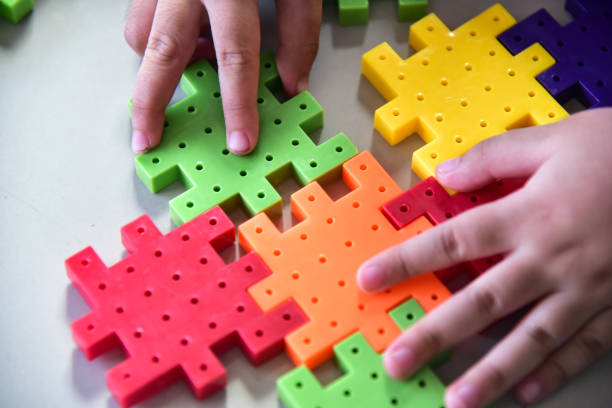
Now, if you are thinking about becoming a mental health counselor who works with children, play therapy is a wonderful path. You do not need to be a child yourself, but you do need to be patient, kind, and willing to get on the floor and build with blocks. You will learn how to read body language and listen with your eyes as much as your ears. You will help kids who have been through tough times like abuse, grief, or bullying. You will see them slowly start to feel better. It is not always easy. Sometimes a child will throw sand or scream. But you learn to stay calm and understand that it is the feeling talking, not the kid.
The best part is that play therapy does not just help kids feel better today. It teaches them skills for a lifetime. They learn that feelings can be expressed safely. They learn that someone cares. These lessons stick with them into adulthood. When you help one child heal, you are helping that child’s future family and friends too. It ripples out.
So if you love kids and want to make a difference in a real, hands-on way, consider learning about play therapy. You do not need fancy words or complicated theories. You just need to understand that for a child, play is not just fun. It is how they say what they cannot say. It is their voice when they do not have the words.