You might be thinking about a career where you can really help people. Not just in a small way, but in a way that changes their whole outlook on life. If that sounds good to you, then consider working with older adults. Many older people face a quiet problem that does not show up on a medical test. That problem is loneliness. And more than ever, older adults need someone who will truly listen to them.
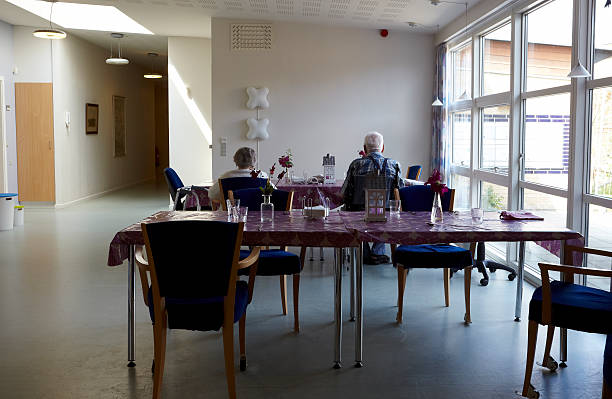
Think about what it feels like when you are left out. Maybe you have had a day when no one called you back. Or you sat alone at lunch. That sting is bad for anyone. But for someone who is eighty years old, that empty feeling can stick around for months or even years. Older adults often lose their spouses, their close friends, and even their own brothers and sisters. Their children are busy with their own lives. Their bodies do not move as fast as they used to. So they start spending more and more time alone in their homes. That is where a geriatric counselor steps in.
But wait. You might ask, “What does a geriatric counselor actually do?“ Well, it is not about giving medical advice or writing prescriptions. It is about being a trained listener. You sit with an older person and let them talk about their life. You ask simple questions like, “What did you enjoy doing when you were younger?“ or “How did you meet your best friend?“ You help them find meaning in their memories. You also help them find real ways to connect with other people today. For example, you might help them learn how to use a video call so they can see their grandchildren. Or you might help them find a local club where people play cards or share stories. The goal is simple. You want them to feel that they matter.
What is really surprising is how much loneliness can hurt a person’s body. Scientists have learned that feeling isolated is as bad for your health as smoking fifteen cigarettes a day. It can raise blood pressure. It can make memory problems worse. It can even lead to sadness that feels impossible to shake. That is why your work as a counselor is so valuable. You are not just having friendly chats. You are actually helping older adults live longer and healthier lives. Every time you make someone feel heard, you are doing something that medicine alone cannot do.
So what kind of person should you be to succeed in this field? First, you need patience. Older people might speak slowly or repeat the same story twice. That is okay. The story is important to them. Second, you need a warm voice. When you talk, people should feel safe. Third, you need to be okay with sad topics. Older adults have lost a lot. They might cry about a friend who passed away last month. You need to be comfortable sitting with them during those tears. This does not mean you are sad all day. Actually, you will laugh a lot too. Older adults have incredible stories. They have lived through so much change. They remember when phones had cords and television was new. Listening to them is like reading a living history book.
The best part about this career is that you do not need to become a medical doctor to start. You can earn a degree in counseling or a related field. Many programs offer classes that focus just on older adults. You learn about the aging mind. You learn about common struggles like memory loss and grief. You also learn how to talk to family members who might be worried about their aging parents. After you finish your training, you can work in many different places. You might work in a nursing home. You might work at a community center. Or you might even start your own private practice where you meet with older adults at their own homes.
If you are a person who likes deep conversations, then this could be your path. You will not get rich quickly. Counselors do not make as much as surgeons or lawyers. But you will get something else. You will get the feeling that happens when an older person looks at you with grateful eyes because you helped them feel human again. That feeling is priceless. You will also help their families rest easier. When the adult children know that someone is checking on their mom or dad, it lifts a huge weight off their shoulders.
So take a moment to think about your future. Do you want a job that is just about a paycheck? Or do you want to be the person who brings light back into someone’s eyes? Geriatric counseling is not always easy. Sometimes the older adults you care for will pass away. That will hurt. But it will also teach you about the beauty of life. Every time you help someone feel less alone, you make a small piece of the world better. And that is a pretty amazing way to spend your working years.