
Maybe you are sitting at your kitchen table right now, staring at your laptop, thinking, “I want to help people, but I don’t know how to make it work with my life.” You have a job. Maybe you have kids, or you are taking care of a parent. You have bills to pay and not a lot of extra time. The idea of going back to school for a degree in therapy or counseling sounds great, but how can you fit classes into your already full schedule? That is where hybrid programs come in. They are like the best of both worlds, and they might just be the perfect answer for someone like you.
First, let me explain what a hybrid program is. You take most of your classes online. That means you can watch lectures, do homework, and talk with your teacher from your own home, in your pajamas if you want. You do not have to drive to a campus every day. You do not have to quit your job or find a babysitter for every single class. The online part gives you the freedom to learn when it works for you, whether that is early in the morning before everyone else wakes up or late at night after the house is quiet. But there is also an important part that happens in person. A hybrid program asks you to come to a real classroom or a practice center a few times a month or maybe on a few weekends. This is where you get to practice the skills you are learning online.
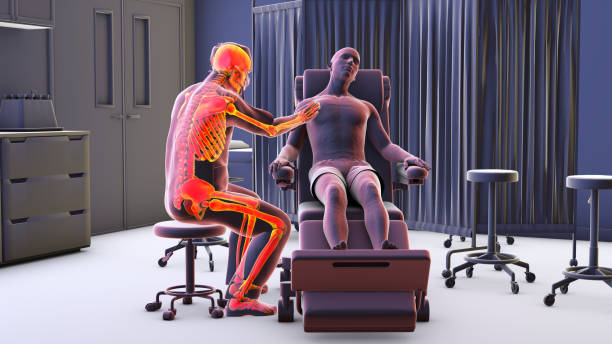
Why is that so important for a therapy career? Think about it. You can read a hundred books about how to listen to someone who is sad. You can watch videos about how to ask good questions. But until you look a real person in the eyes and try to help them, you do not really know if you can do it. The in-person part of a hybrid program gives you a chance to role-play with other students. You pretend to be a client, and your classmate pretends to be the therapist. Then you switch. You get feedback from your teacher. You make mistakes in a safe place where nobody gets hurt. That practice is what turns knowledge into real skill.
For someone who is changing careers, this mix is gold. Let me tell you about a person I know. Her name is Maria. She worked in an office for ten years and was so tired of staring at spreadsheets. She wanted to become a counselor for teenagers. But she had two kids and a husband who traveled for work. She could not just drop everything and go to school full time. She found a hybrid program. She took her theory classes online at night after the kids went to bed. Once a month, on a Saturday, she drove to a college an hour away. There she met her classmates and teacher in person. They practiced counseling sessions together. She got to feel what it was like to sit across from someone who was hurting and say, “I hear you.” After two years, she had her degree and a new career. She still talks about how the hybrid program saved her life because it let her keep her job and be a mom while she chased her dream.
You might be wondering if online learning is as good as being in a classroom all the time. The answer is yes, when it is done right. In a hybrid program, the online part is not just busywork. You have live video chats with your teacher. You join small groups where you talk about what you are learning. You watch recordings of real therapy sessions and write about what you notice. The key is that you are not alone. You have a teacher who knows your name and classmates who are going through the same thing. And when you meet in person, you already know each other from online, so it feels like a reunion more than a first day.
Another great thing about hybrid programs for career changers is that they are often more affordable. You save money on gas and parking. You do not have to pay for a full-time babysitter because you only go in person a few times. Some programs even let you do your in-person hours at a clinic near your home instead of driving to the main campus. That means you can get real experience in your own community while still being part of a bigger program.
If you are nervous about going back to school, that is totally normal. You might be worried that you are too old or that you have been out of school too long. Let me tell you something: people change careers every day. Your life experience is actually a huge advantage. You have already dealt with tough situations, worked with different kinds of people, and learned how to handle stress. That is exactly the kind of wisdom a good therapist needs. A hybrid program gives you a gentle way to ease back into learning while still keeping your life together.
So if you are sitting there thinking about a future where you help people heal, do not let the fear of school stop you. Hybrid programs are made for people exactly like you. They blend the flexibility of online learning with the real, hands-on practice you need to become a great therapist. You can keep your job, take care of your family, and still move toward a career that matters. The only thing you have to do is take the first step. Look up a few hybrid programs near you. Call their admissions office and ask questions. You will be surprised how many people are ready to help you make this dream come true.