Maybe you’re thinking about becoming a therapist. You want to help people feel better, listen to their stories, and guide them through tough times. That’s a big, beautiful goal. But you also have a life. You might have a job, kids, or just a busy schedule that makes sitting in a classroom every day feel impossible. That’s where hybrid programs come in. They mix online classes with a few in-person meetings, and they might be exactly what you need.
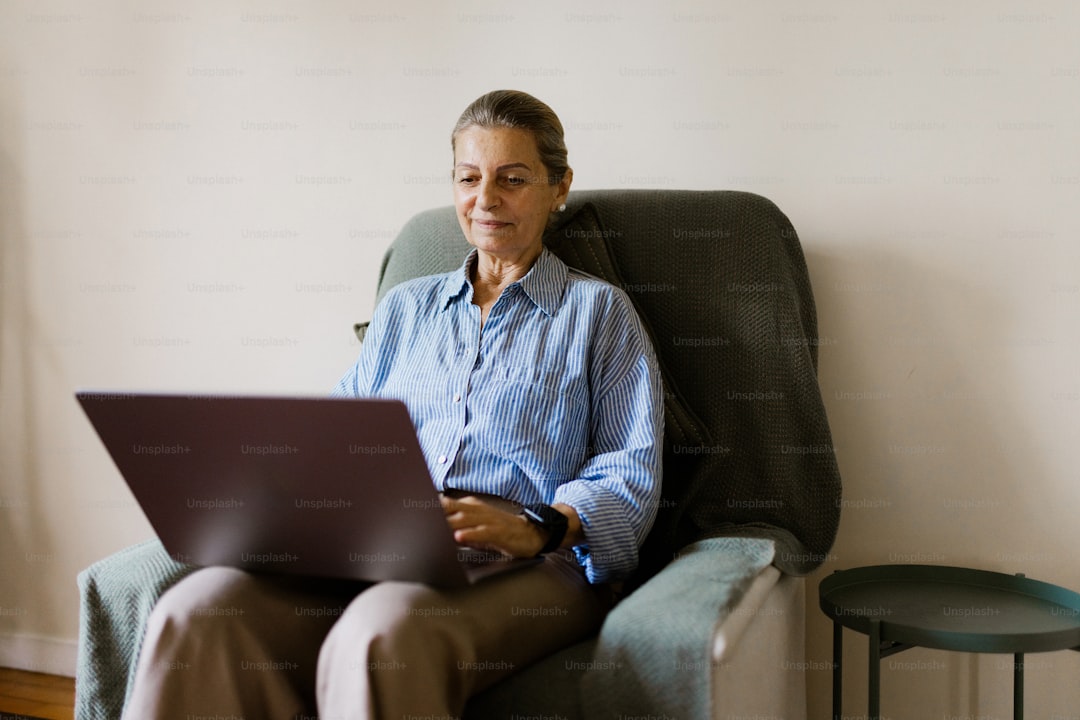
Let me tell you why hybrid programs are so great for someone like you who wants to become a therapist. The biggest reason is that they give you flexibility. You can do most of your coursework from your own home, in your pajamas if you want. You can watch lectures when it fits your life, maybe late at night after the kids are asleep or early in the morning before work. That freedom is huge. It means you don’t have to quit your job or move to a different city to get your degree. You can keep earning money, be with your family, and still chase your dream of helping others.
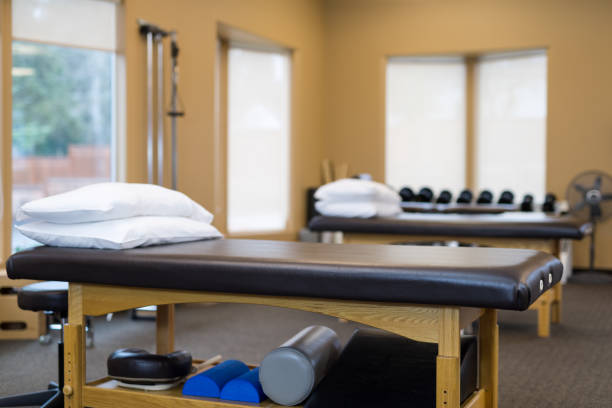
But here’s the cool part. Even though you learn a lot online, hybrid programs also make sure you get real, hands-on practice. Therapy isn’t something you can learn just by reading books or watching videos. You need to actually talk to people, look them in the eye, and feel the energy in the room. That’s why hybrid programs have those in-person sessions. You might meet on a Saturday once a month or for a full weekend every few weeks. During those times, you get to practice real therapy skills with other students and instructors. You role-play tough conversations, learn how to read body language, and get feedback on your listening skills. It’s like a safe practice field before you go out and work with actual clients.
I remember when I first started my own training. I was nervous about talking to someone who was really hurting. Reading about active listening was easy. Doing it in person was totally different. That’s why those face-to-face parts of hybrid programs are gold. They bridge the gap between knowledge and real skill. You don’t just learn what to say, you learn how to say it, when to be quiet, and how to show someone you truly care. And you get to do all of that while still enjoying the convenience of learning online the rest of the time.
Another thing that makes hybrid programs special is the community you build. When you’re in a fully online program, it can get lonely. You might feel like you’re just a name on a screen. But in a hybrid program, you actually meet your classmates and teachers in person. You share pizza, laugh, and maybe even cry together during tough practice sessions. Those connections make learning more fun and supportive. You end up with a network of people who understand your journey. Later, when you start your career, those same people might become your colleagues or even your friends. Real relationships matter in the therapy world, and hybrid programs help you build them.
Let’s talk about balance. I know life can feel like a juggling act. You might worry about finding time for school, work, and everything else. Hybrid programs are designed to let you keep your life mostly the same while adding education. You don’t have to throw your schedule into chaos. You just need to plan for those in-person days. Mark them on your calendar, arrange childcare if needed, or take a day off work. The rest of your week stays flexible. You can study on your lunch break, after dinner, or whenever you have a quiet moment. That kind of balance helps you stay sane and actually enjoy learning instead of stressing about it.
Of course, you might wonder if hybrid programs are as good as fully in-person ones. I hear that worry. But think about it this way. The most important part of becoming a therapist is how well you connect with people. Hybrid programs give you plenty of chances to practice that connection in person. Meanwhile, the online part lets you learn theory, ethics, and research at your own pace. Many programs even let you choose where to do your required practice hours, like at a local clinic or counseling center near your home. That means you get real-world experience in your own community, which is amazing.
So if you’re ready to start your journey toward becoming a therapist, don’t let a busy life stop you. Hybrid programs offer the best of both worlds. You get the freedom to learn online and the real practice you need to become a caring, skilled helper. You can take that first step from your own living room, then show up to class ready to truly connect. It’s a beautiful blend that works for real people with real lives. And before you know it, you’ll be the one sitting across from someone, ready to listen and help them heal.