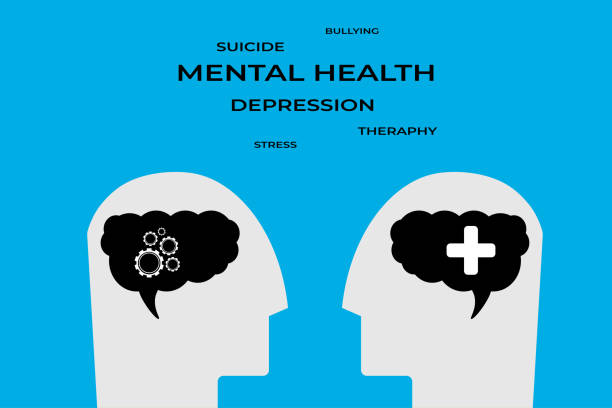
Have you ever seen someone so upset that they could not breathe or think straight? It can be scary to watch. You want to help, but you do not know what to say. That is why crisis intervention training exists. This training teaches you how to step in when someone is having a really hard time. It gives you simple steps to calm things down and get that person the right kind of help. If you are thinking about becoming a mental health counselor, this training is a big deal. You will use these skills almost every single day.
First, let me tell you what a crisis actually looks like. It is not just a bad day. A crisis is when someone feels like they cannot cope anymore. Maybe they lost a job, went through a breakup, or saw something terrible. They might feel trapped, scared, or even want to hurt themselves. In those moments, their brain goes into panic mode. They cannot think clearly. That is where you come in. Crisis intervention training shows you how to be the calm person in the room. You learn to lower your own voice and slow everything down. You learn that your first job is not to fix the problem. Your first job is to make the person feel safe and heard.
One of the biggest things you learn is how to listen without judging. That sounds easy, but it is really hard. When someone says something shocking, your first reaction might be to correct them or tell them to calm down. Training teaches you to stop doing that. Instead, you say things like, “I hear you,” or “That sounds really painful.” You use your body language too. You sit at their level, keep your hands open, and give them space. You do not rush them. This is called active listening, but you do not need a fancy word for it. It just means paying full attention and letting them know you are right there with them.
You also learn specific steps for different kinds of crises. For example, if someone is having a panic attack, you teach them to breathe slowly with you. You count together. You help them name what they are feeling, like “My heart is racing,” or “I feel dizzy.” Once they can say it out loud, the fear gets a little smaller. If someone is angry, you learn how to stay safe. You keep distance and speak in a low, steady voice. You never match their anger. If someone is thinking about suicide, you learn to ask directly, “Are you thinking about killing yourself?” That sounds scary, but it is actually the best way to help. You learn to listen without panic and to get them connected to a crisis line or a hospital right away.
Crisis intervention training also covers practical stuff. You learn where to call for help in your town. You learn what to say on the phone with emergency services. You learn about local shelters, hotlines, and walk-in centers. You practice filling out paperwork that might be needed. You even practice with role play. That means you pretend to be the person in crisis and then pretend to be the helper. It feels weird at first, but it is the best way to get ready. You make mistakes in practice so you do not make them in real life.
There are many ways to get this training. Some people take a weekend class at a community college. Others do it online through a mental health group. Many counseling programs include a crisis class as part of their degree. You can also volunteer at a crisis hotline. They train you for free, and you get to help real people right away. The training might be called crisis intervention, crisis response, or crisis counseling. It does not matter what name it has. The skills are the same.
The best part about this training is that it makes you a better human being. You learn patience. You learn bravery. You learn that you can sit with someone in pain without fixing everything. That is a gift. When you finish a class or a hotline shift, you walk away feeling like you actually helped. You gave someone a lifeline in their worst moment. That feeling is unforgettable.
If you are thinking about a career in mental health counseling, do not skip this training. Find a small class near you or sign up for an online course. Even just a few hours of training can change how you talk to people. And someday, that training might save a life. It could be the person you love. It could be a stranger on the street. It could be you. Everyone can learn to help in a crisis. You just need the right tools. This is where you get them. So go ahead and look into it. The world needs more calm, kind people who know what to do when things fall apart. You can be one of them.