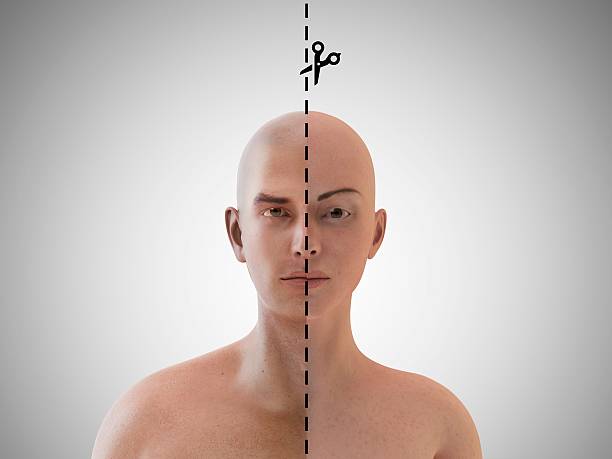
Hey there. If you are reading this, maybe you are feeling a little lost. That is completely okay. Everyone gets that way sometimes. You might be working a job you hate. Or maybe you finished school and have no clue what comes next. Or perhaps you have spent years in one field and now you realize it just isn’t you. That feeling of being stuck can be scary. It can also be exciting, believe it or not. Because being lost means you get to find a new path. And you do not have to do it alone.
There are people called career counselors. Their whole job is to help folks like you figure out what to do with their work life. They are not bosses. They are not teachers giving you a grade. They are helpers. Think of them like a coach for your future. You sit down, you talk, and they ask you good questions. Questions like, what do you enjoy doing? What makes you feel proud? What did you love to do as a kid, before you worried about money or what other people thought? You might be surprised what comes out of your own mouth when someone actually listens.
A career counselor is not there to judge you. They have heard it all. People who are sixty and want a fresh start. People who are twenty and feel like they are already behind. People who have worked five different jobs in ten years and call themselves flaky. But guess what? That is not flaky. That is exploring. A counselor will help you see that your messy history is actually full of clues. Every job you have had taught you something. You might not know it yet, but you have skills you do not even think about. You know how to talk to difficult people. You know how to show up on time. You know how to learn new things fast. Those are gold.
The funny thing is, most people think career counseling is only for students picking a major. But it is for everyone. Especially for those of us who feel completely lost in the middle of our lives. Maybe you are a stay at home parent wanting to go back to work. Maybe you are a cashier who dreams of doing something with your hands. Maybe you are an office worker who can not sit in a cubicle one more day. A career counselor can help you turn those little wishes into a real plan. They do not just tell you what to do. They help you figure it out yourself. And they give you steps. Small steps. Like, this week, we are going to update your resume. Next week, we are going to talk to three people in your new field. That kind of thing.
I remember a friend of mine was stuck for years. She worked at a bank and hated every single day. She thought she was too old to switch. But she went to a career counselor, and the counselor asked her what she did in her free time. She said she loved baking bread. Not fancy bread, just simple homemade bread. The counselor asked her to think about what that meant. My friend realized she liked caring for people through food. So she started a small baking business out of her kitchen. Now she sells at farmers markets and makes wedding cakes. She is not rich, but she is happy. She says the only reason she made the jump was because that counselor gave her permission to take her hobby seriously.
You can do something like that. But you do not even have to make a huge change right away. Maybe you just need someone to help you sort through your options. That is what the lost folks need the most. We spend so much time inside our own heads, spinning in circles. A counselor is like a calm friend who sits outside the circle and hands you a map. They do not make decisions for you. They just shine a flashlight on the path you already started walking.
So if you feel lost, take a deep breath. Then reach out for some help. There is absolutely no shame in it. In fact, it takes a lot of guts to say, I do not know what I am doing, and I need a hand. That is brave. That is smart. You are not broken. You are just between places. And a career counselor can help you find where you are supposed to be next. Your next step does not have to be perfect. It just has to be a step. Even a tiny one. Because tiny steps still get you somewhere. So be kind to yourself. And know that being lost is just the start of a good story.