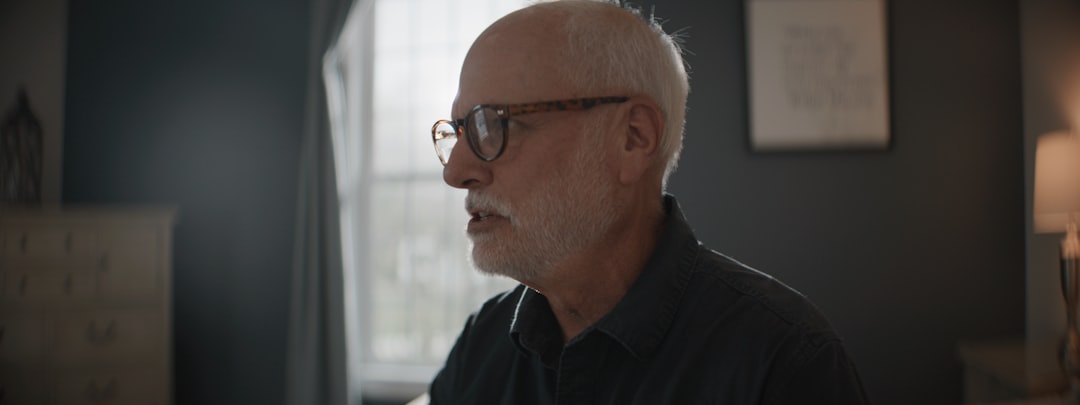
So you are thinking about trying therapy. Maybe you have been through some hard times, or maybe you just feel stuck and want to talk to someone who really listens. That is a brave step. Lots of people feel nervous at first, and that is totally okay. Let me walk you through what a one-on-one therapy session is like, so you know what you are getting into.
First, you sit down with a trained therapist in a quiet, private room. Sometimes it is in an office with a couch and a comfy chair. These days it can also be on a computer screen. Either way, it is just you and the therapist. No one else is there. This is your time. The therapist is not there to judge you or tell you that you are wrong. They are there to help you understand yourself better and find ways to feel better.
The very first session is a little different. The therapist will ask you some basic questions. They might ask why you decided to come, what is bothering you, and a little about your life. You do not have to share everything at once. You can share as much or as little as you feel safe sharing. It is like dipping your toe in the water before you jump in. This first meeting is also a chance for you to see if you feel comfortable with this therapist. If you do not click, that is fine. You can try someone else.
After that first session, the regular ones are more relaxed. You might start by talking about your week. Maybe something good happened, or something really hard. The therapist will listen closely, and I mean really listen. They are not checking their phone or thinking about what to have for lunch. They are paying attention to your words and also to how you say them. That kind of deep listening is called active listening, and it is one of the most powerful tools in therapy.
Sometimes you might not know what to talk about. That happens a lot. The therapist will help you. They might ask a gentle question like, “What has been on your mind lately?“ Or they might notice that you look sad and ask about that. You do not have to have a big problem every session. Some sessions are just about tiny things that bug you. And that is fine too.
A big part of talking one-on-one is that you get to say things out loud that you might have kept inside for years. Saying something out loud makes it real. It can feel scary at first, but it also feels like a weight lifting off your shoulders. The therapist will not freak out or tell you that you are crazy. They have heard it all. They are trained to handle strong feelings like anger, sadness, or fear.
Sometimes the therapist will teach you a simple skill, like how to take deep breaths when you feel overwhelmed or how to notice thoughts that are not helpful. They might ask you to try something small between sessions, like writing down one good thing that happened each day. These little things can make a big difference over time.
You might cry during a session. That is normal. Tears are just feelings coming out. The therapist will have tissues ready. They will not try to stop you or make you feel embarrassed. Crying is a healthy way to let go of stress.
You might also feel angry or frustrated in a session. That is okay too. Therapy is a safe place to feel all your feelings. The therapist can handle it. They will help you understand where that anger is coming from and what to do with it in a healthy way.
One thing to know is that therapy is not a magic fix. You will not walk out after one session feeling totally great. It takes time. Think of it like going to the gym for your mind. You go once a week, you work on things, and slowly you get stronger. Some weeks are harder than others. That is part of the process.
After about six to twelve sessions, many people start to notice changes. They might feel less anxious, more in control, or better able to handle tough situations. They might understand themselves better. That understanding helps them make better choices in life.
The best part about one-on-one therapy is that it is all about you. You are the star of the show. The therapist is just your guide. You decide what you want to work on and how fast you want to go. There is no pressure to get it right. You just show up and be honest.
If you are scared to start, that is totally normal. Nervousness is just your brain trying to protect you from the unknown. But the unknown can also be the start of something good. You have already taken the first step by reading this. Now think about taking the next one. You deserve to feel better, and you do not have to do it alone.