Have you ever spent a night in a hospital? Maybe you had a bad cough or you broke a bone. The room is quiet. The lights are dim. You hear beeps from machines. You feel a little scared. Now imagine being a therapist who walks into that room. Your job is to help that person feel less scared. That is what a therapist in a hospital does every day.
In a hospital, therapists work with all kinds of people. Some patients are there because they had an accident. Others are fighting a serious illness. Many are in pain. When you are in pain, your mind gets worried. You think about what might happen next. You miss your family. You feel alone. A therapist comes in and says, “Hello. How are you doing today?“ And just that greeting can change the whole mood.
Therapists in hospitals are different from therapists in private practice. In a private office, you might see a client once a week for a year. But in a hospital, time is short. Patients often stay only a few days or weeks. So you have to make every session count. You focus on the biggest problem right now. Maybe the patient is scared about surgery. Maybe they are sad because they cannot go home yet. Maybe they are angry because their life changed in one moment. You listen. You help them find words for their feelings. You give them simple tools to feel better, like slow breathing or thinking about a happy place.
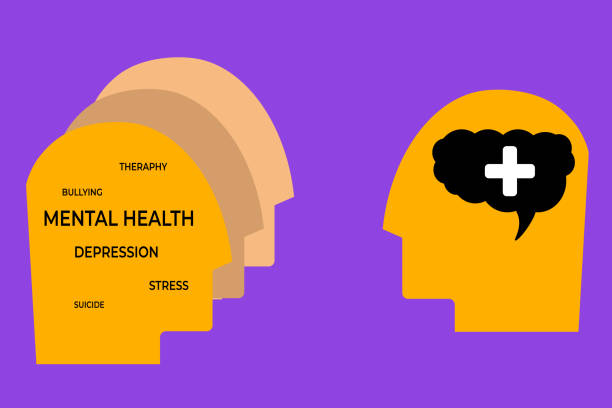
One big part of the job is crisis work. Some patients come to the hospital because they are having a mental health emergency. They might feel so overwhelmed that they want to hurt themselves. The therapist helps keep them safe. You talk them through the dark moments. You work with the doctors to create a plan. You meet with their family. It can be heavy. But it is also very important. You are the calm voice when everything else is loud.
Another part of the job is working with the medical team. You are not alone. Nurses, doctors, and social workers are all on the same team. You share notes. You tell the doctor what you learned about the patient’s mood. The doctor tells you about the medical treatment. Working together gives the patient the best care. That teamwork feels good. You are not just a side person. You are a key part of the healing.
Sometimes people ask, “Do therapists in hospitals do actual therapy?“ Yes, you do. But it is not the long, deep talking therapy you see in movies. It is more like problem-solving. You help a person who is stuck in fear move forward. You might teach a cancer patient how to tell their kids about the illness. You might help a person who lost a leg in a crash start to see a future. You might sit with a dying person and just hold their hand. These moments are hard, but they are full of meaning.
The best part of the job is seeing small wins. A patient who would not speak finally opens up. A person who could not sleep because of worry sleeps for four hours straight. A family member who was crying starts to smile. These wins are not in a report. But they are real. They remind you why you became a therapist in the first place.
The hard part is the sadness. You will see people pass away. You will see families break apart. You will see patients who do not get better. You have to take care of your own heart. Good hospitals have support for their staff. You learn to leave the heaviness at work. You find your own ways to recharge, like taking a walk or talking to a friend. That is not weak. That is smart.
If you are thinking about this career, know that it takes a degree in therapy or counseling. You also need to be a good listener and stay calm under stress. You should like working with all kinds of people. And you should be ready to learn every day.
Working in a hospital is not for everyone. It is fast. It is loud. It can be scary. But for the right person, it is one of the most amazing jobs in the world. You get to help people on their worst day. You get to bring a little light into a gray room. You get to be the one who says, “You are not alone.“ And that matters more than anything.
If this sounds like you, start exploring therapy programs today. Talk to people who work in hospitals. Ask questions. Visit a medical center. The door is open. You could walk through it.