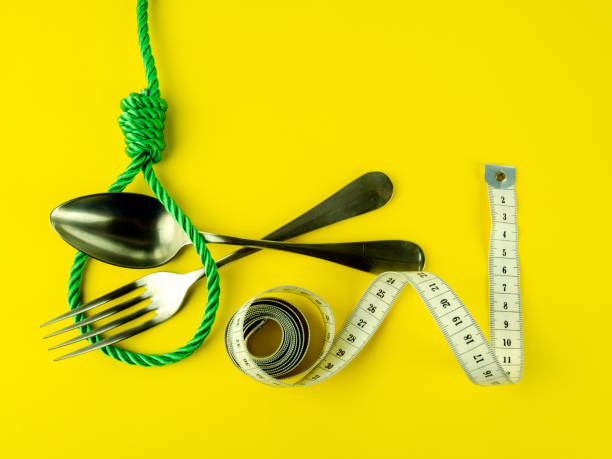
Have you ever been told that you just need more willpower when it comes to food? Or that your body is the problem and you have to fight against it? If you have struggled with an eating disorder, you probably heard a lot of that kind of talk. But there is another way. It is called intuitive eating, and it is one of the most helpful paths you can take when you are working on healing from an eating disorder. Let me tell you what it is and why it matters so much.
Intuitive eating is not a diet. It is not about counting calories, following rules, or weighing your food. It is about getting back in touch with your own body. Think about a baby. A baby knows when it is hungry and when it is full. They cry for milk, and they stop drinking when they have had enough. That is natural intuition. But as we grow up, we get bombarded with messages from ads, social media, and even well-meaning family members. We learn to ignore our body’s signals. We start eating because it is “time to eat” or because we feel guilty about skipping a meal, not because we are actually hungry. Intuitive eating helps you unlearn all that noise and listen to your own body again.
When you are in treatment for an eating disorder, intuitive eating can be a big part of your recovery. Many people with eating disorders have lost trust in their bodies. Maybe you have been restricting food for so long that you do not even feel hunger anymore. Or maybe you have been bingeing and then feel out of control. Intuitive eating teaches you to recognize your hunger signals, honor them, and then stop when you are comfortably full. It sounds simple, but it takes practice. You have to learn to be patient with yourself.
One of the most important ideas in intuitive eating is that there is no such thing as “bad” food. That is hard for a lot of people to accept. We live in a world that labels food as “clean” or “junk,” “healthy” or “unhealthy.” Those labels can make you feel guilty for eating anything that is not a salad. But when you are healing from an eating disorder, guilt is your enemy. Intuitive eating says all foods fit. Yes, chocolate cake is fine. Yes, pizza is fine. The key is to eat what you really want, in amounts that feel good to your body, not because you are trying to punish yourself or prove something. When you stop calling foods bad, you stop feeling bad about eating them. That freedom is huge.
Another piece of intuitive eating is moving your body in ways that feel good, not as a punishment. If you have ever exercised just to burn off calories, you know how awful that can feel. Intuitive eating invites you to find movement you enjoy. Maybe that is a walk outside, dancing in your living room, or yoga. The goal is to feel strong and happy, not to earn your next meal.
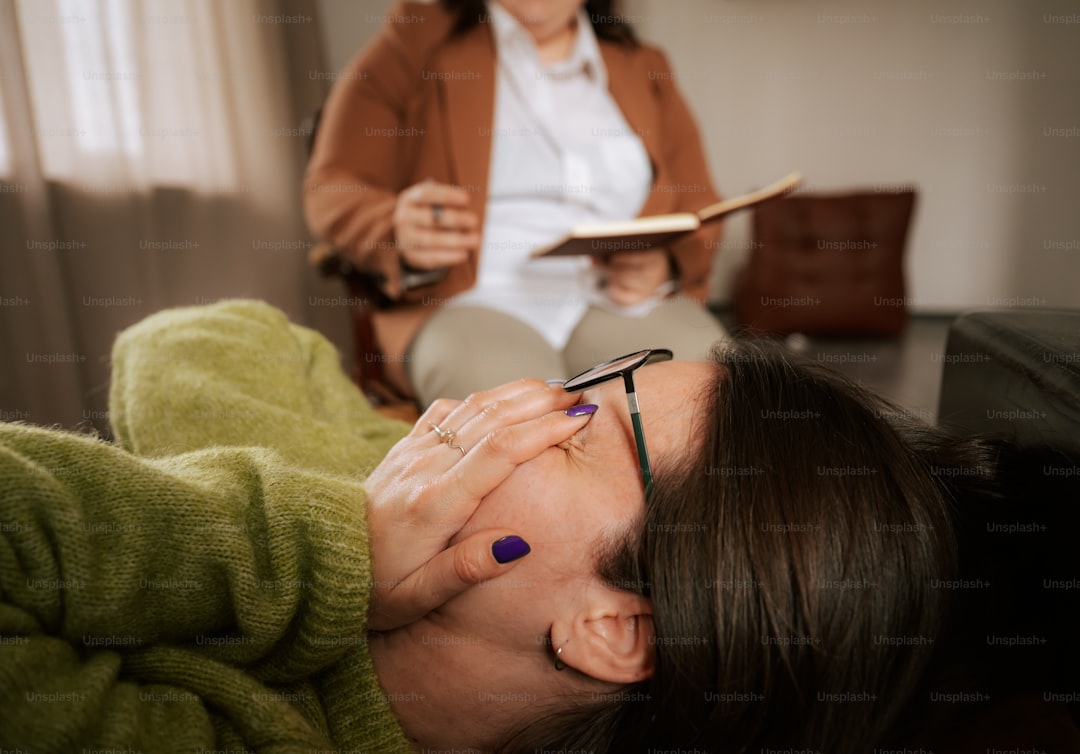
If you are considering a career in therapy, knowing about intuitive eating is really useful. Many people who come for help with eating disorders have been through years of dieting and food rules. They need someone who understands that the real problem is not their willpower, but the broken relationship they have with food and their body. As a therapist or counselor, you can guide them back to trusting themselves. You can teach them how to eat when they are hungry and stop when they are full. You can help them understand that their body is not the enemy.
Of course, intuitive eating is not a quick fix. It takes time, and it works best when you have a team of helpers, like a therapist, a dietitian, and maybe a doctor. But it is a beautiful, gentle path that leads to real healing. It is about making peace with food and with yourself. And that peace is possible, no matter how far away it feels right now. So if you are thinking about working in this field, or if you are on your own recovery journey, remember this: your body knows what it needs. Intuitive eating is just a way to start listening again.