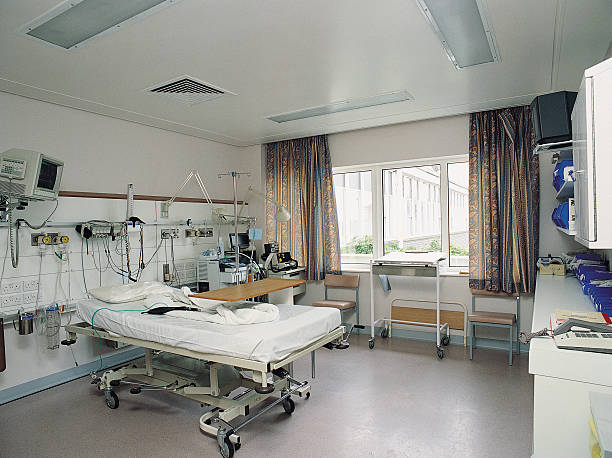
If you like people and want a job that matters, hospital social work might be for you. You do not have to be a doctor or a nurse to help someone heal. You help with the parts of health that medicine cannot fix alone. You help people feel heard, safe, and ready for what comes next. A hospital can be a scary place. You are the person who walks in, pulls up a chair, and says, “Tell me what you need.“
No two days are the same. In the morning, you might meet a mom whose child is in the hospital. She is tired and worried about her other kids at home. She needs someone to listen and help her find a place to sleep nearby. Later, you might sit with an older man who is ready to go home but cannot climb stairs. You work with the medical team to plan for his safe return. You call family, find a walker, and set up rides to follow-up visits. In between, you answer questions from nurses, doctors, and families. You are a bridge between the medical world and real life.
You do not need to know every answer. You need to be kind, curious, and calm. You ask questions like, “What worries you most?“ and “What would help you feel ready to go home?“ You help people understand what is happening in plain words. If a doctor uses big terms, you help break them down. You make sure families know their choices. You also speak up for patients when they cannot speak for themselves.
Hospital social workers help with feelings and practical needs. Feelings can be fear, anger, sadness, or relief. Practical needs can be food, medicine, money, clothes, or a safe place to live. You might help someone fill out forms for help. You might call a shelter or a community group. You might help a family find childcare. You might help a person get a phone so they can call their boss. These small things can be huge when someone is sick.
You also help with hard moments. Sometimes a patient gets bad news. Sometimes a family must decide about care at the end of life. You sit with them. You do not rush. You listen. You help them talk to each other. You help them say goodbye. You may help a child understand that a parent is very sick. You may help a husband learn how to care for his wife after she leaves the hospital. This work takes heart. It also takes strong boundaries. You cannot carry every story home. You learn to care deeply and still take care of yourself.
A big part of the job is planning for what happens after the hospital. This is often called discharge planning, but it is really just a plan for going home or to another safe place. You talk with the patient, family, doctors, nurses, and therapists. You help figure out what equipment is needed, like a wheelchair or a hospital bed. You help set up home health visits. You help make sure the person has a way to get to doctor visits. You help with insurance questions and bills. You may need to call many places and wait on hold. It can be slow, but it matters. A good plan can keep someone from coming back to the hospital.
You also work in fast moments. In the emergency room, you might meet a person who has no home and no family. You might help someone who is hurt and scared. You might help a family dealing with a sudden loss. You might need to report abuse or neglect to keep someone safe. You stay calm and focused. You work with police, doctors, and community groups. You do not do this alone. You are part of a team.
To become a hospital social worker, most people start with a college degree in social work or a related field. Then they earn a master’s degree in social work. Many states require a license. You also do an internship in a hospital or clinic. You learn by watching and doing. Some people begin as volunteers, patient helpers, or office staff. That can be a great first step. You can work in the emergency room, cancer care, children’s units, rehab, or intensive care. You can grow into a supervisor, director, or teacher. You can also move into hospice, mental health, or community health.
The pay is steady, but the real reward is different. You get to be with people on their hardest days. You get to make the hospital feel more human. You get to turn confusion into a plan. You get to help a family breathe again. If you are thinking about this path, talk to a hospital social worker. Ask what a normal day looks like. Ask what is hard. Ask what keeps them going. Then try volunteering. You may find that this is the career you were looking for. You do not have to be perfect. You just have to show up with an open heart and a willing mind.