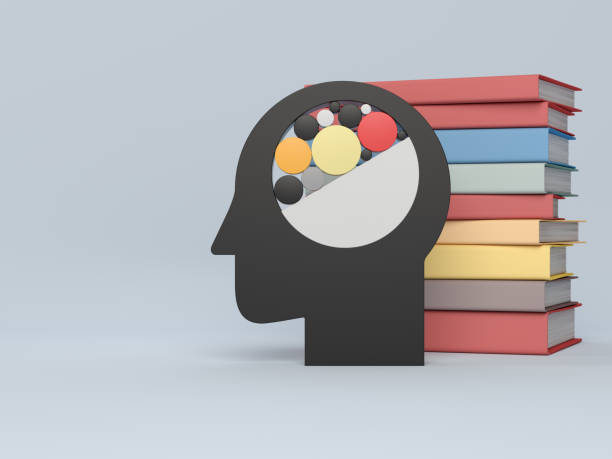
Have you ever just sat and watched people? Maybe at a mall or a park? You see how they walk, how they talk, how they laugh with friends and look at their phones. That feeling of being curious about why people do what they do is the heart of research psychology. Research psychology is a branch of psychology that focuses on studying behavior in a careful and scientific way. It is not about guessing or assuming. It is about using real methods to find out what makes people tick. If you are thinking about getting a degree in psychology, this is one of the coolest paths you can take.
So what exactly is behavior? Behavior is anything a person does. It is how you yawn when you are bored. It is how you smile when you see a puppy. It is how you cross your arms when you feel nervous. It is also bigger things like helping a stranger carry groceries or deciding to study for a big test instead of playing video games. Research psychologists want to understand why these behaviors happen. They do not just want to know the surface stuff. They want to dig deeper and find the reasons behind the actions. That digging is what makes this field so exciting.
One huge way research psychologists study behavior is through observation. That simply means watching people in real life or in a lab. Let me give you an example. Imagine you want to know if people are more likely to share snacks when they are in a group or when they are alone. You could set up a comfortable room with some chips and dip on a table. Then you invite people in and watch what they do. But here is the tricky part. People act differently when they know they are being watched. That is called the observer effect. To fix that, researchers might use a one-way mirror or hidden cameras. They want to see natural behavior, not performed behavior. Good observations take practice. You have to train yourself to notice small details without judging them.
Another key method is the experiment. In an experiment, a researcher changes something on purpose to see what happens. It is a bit like baking cookies and changing the amount of sugar to see how the taste changes. In psychology, you might split people into two groups. One group gets a certain experience, and the other group does not. Then you compare their behaviors afterward. This helps you figure out cause and effect. For example, you could show one group a funny video and another group a sad video. Then you measure how quickly each person smiles at a stranger in the hallway. That tells you something about how mood can shape friendliness. Experiments are powerful because they give you clear answers.
Now, you might be thinking, “This sounds like science, but what does it have to do with therapy?“ Great question. Understanding behavior is the foundation for helping people change it. When you go to a therapist, the therapist needs to know why you act the way you act. That knowledge comes from research psychology. All those decades of watching and experimenting have taught us amazing things about anxiety, depression, habits, and relationships. Without research psychology, therapy would just be guessing. So by studying research psychology as part of your degree, you are building a toolbox that will make you a better therapist later on.
Speaking of degrees, there are many routes to get into this field. You usually start with a bachelor’s degree in psychology. In that program, you learn how to do research and how to study behavior. You might even get to run your own small studies with the help of your professors. After that, you can go to graduate school to specialize in research psychology or a related area. But even if you end up as a counselor or a therapist, the research skills you learn will always be useful. You will know how to ask good questions, how to look at evidence, and how to avoid jumping to quick answers.
Let me tell you a little story. I once knew a student who wanted to help people with addiction. She thought she would just talk to them and give advice. But in her research psychology classes, she learned how to watch for signs that a person is ready to change. She learned how to design studies that show which treatments work best. That made her a much more effective helper. She did not just rely on gut feelings. She used data and careful observation. That is the real power of research psychology.
One more thing I love about studying behavior is that it makes you a better observer of your own life. Once you learn about things like rewards and habits, you start noticing them everywhere. You see why your little brother keeps interrupting you. You understand why you check your phone a hundred times a day. It is like putting on a pair of glasses that lets you see the hidden forces behind actions. That awareness can help you in your own relationships, and it can help you guide others too.
So if you are considering a career in the therapy world, take a serious look at research psychology. It might not be the flashiest path, but it is one of the most important. You will learn how to ask good questions, how to watch carefully, and how to use evidence to help real people. That combination is incredibly powerful. And who knows? Maybe you will be the one to discover something new about how we all behave. That would be a pretty amazing way to spend your career. Every time you watch someone do something, you have a chance to learn. Research psychology turns that chance into a real skill. Give it a try. You might fall in love with the process of understanding people.