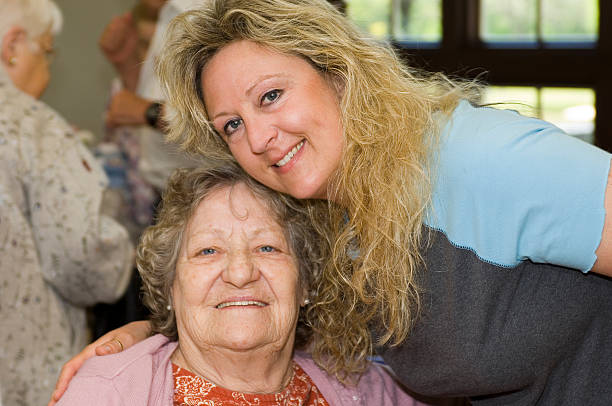
Have you ever sat with an older person and listened to them tell a story from when they were young? Maybe your grandparent talks about the old neighborhood, their first job, or how they met their spouse. Those stories are not just fun to hear. They can actually help heal people. There is a type of therapy called reminiscence therapy, and it is a great way for counselors to help older adults feel better about their lives. If you are thinking about becoming a geriatric counselor, this is one tool you will want to learn.
Reminiscence therapy is simple. It means helping someone look back at their past memories in a positive way. The counselor might ask questions, bring in old photos or music, or use objects that remind the person of earlier times. The goal is not to make them sad or stuck in the past. Instead, it helps them see the good things they have done, the challenges they got through, and the people they loved. This kind of therapy works really well for older adults because many of them have a lot of memories to share. And those memories can bring happiness, comfort, and even a sense of purpose.
Why does this matter? Think about what happens when people get older. They may lose friends or family members. Their bodies might not work like they used to. They might feel lonely or like they do not matter anymore. Reminiscence therapy helps fight those feelings. When an older adult remembers a time they helped someone or did something brave, they feel proud. When they talk about happy moments, they feel joy again. It reminds them that their life had meaning. And for someone who is feeling down, that reminder is powerful.
As a counselor, you do not need fancy equipment for this. You just need to listen. You might start a session by asking a simple question like, “What is the best birthday you ever had?“ Or you could bring in a song from the 1950s and ask them if they remember dancing to it. You might even use old newspapers or photographs. Some counselors use memory boxes filled with objects from the person’s past. The key is to let the older adult lead the conversation. You are there to guide and to be curious.
There are two main ways to do reminiscence therapy. One is called simple reminiscence. That is just telling stories and enjoying them. The other is called life review, which goes deeper. Life review helps people look at their whole life from start to now. They think about both good and bad times. The counselor helps them make sense of things and find forgiveness or peace. Both ways are helpful, but life review can be especially good for people who are near the end of their life. It helps them feel complete.
You might wonder if this therapy works for people with memory problems like dementia. The answer is yes. Even when someone cannot remember what they had for lunch, they often remember feelings from long ago. A familiar song or a smell can bring back a happy moment. Reminiscence therapy does not have to be about perfect facts. It is about emotion. So even if the details are fuzzy, the comfort is real.
If you decide to work with older adults, you will find that this therapy is also good for you. You will hear amazing stories. You will learn about history from people who lived it. You will see people smile who had forgotten how to smile. It is a job that fills your heart. And you do not need a big degree to start. Many programs teach you these skills in a few months of training. You can work in nursing homes, senior centers, or with home health agencies.
So if you are looking for a career where you can truly help people feel valued, think about geriatric counseling. And within that field, learn about reminiscence therapy. It is a gentle, friendly, and powerful way to bring joy to older adults. You will not just be a counselor. You will be a person who helps someone remember that their life matters. And that is a beautiful thing.