So you have finished all your classes. You passed your exams. Maybe you even did your internship. Now you are looking at that big pile of paperwork called the license application. And you are thinking, “Where do I even start?“ I have been there. It feels huge. But I promise you can get through it one small piece at a time. Let me walk you through what this process looks like, so you do not feel lost.
First, you need to find the right application for your state. Every state has its own rules. Some call it a provisional license, some call it an associate license, some call it a temporary permit. Whatever the name, you will need to download the official form from your state’s counseling board website. Do not guess. Go straight to the source. Look for a section that says “Licensing” or “Applications.“ Print it out or save it on your computer. Read the instructions all the way through before you write anything. Yes, I know it is boring. But the instructions tell you what documents you need to gather, and missing one can slow everything down by weeks.
Next, gather your personal documents. You will need a copy of your photo ID, like a driver’s license or passport. You will also need your official transcripts from every college or university you attended for your degree. Not just the school where you got your master’s degree, but sometimes even your bachelor’s degree transcripts. Order these early because they can take a week or two to arrive. Do not wait until the last minute. While you are at it, check if your board wants your transcripts sent directly from the school or if you can upload them yourself. Most boards want them sealed and sent by the registrar’s office.
Now comes the part that trips up a lot of people: the background check. You will almost certainly need a fingerprint check and a criminal history check. Some states use a specific company for the fingerprints. Others let you go to a local police station or a fingerprinting location. You will fill out a form, pay a fee, and get your fingerprints taken. The results get sent to the board. Be honest about your past. If you have any old charges or arrests, even if they were dropped, the board usually asks you to explain them. Do not lie. They will find out, and that can stop your application cold. Just write a short, clear explanation and move on.
After that, you need to show proof of your supervised hours. If you have already started working under a supervisor, your supervisor has to fill out forms that say how many hours you have completed. Some states want these forms signed and notarized. Others just want them signed. Make sure you keep a log of your hours from the very first day. Do not try to remember them later. You will forget. Use a simple spreadsheet or a notebook. Write down the date, the type of session, and how long it lasted. Your supervisor will need to verify that log.
The next big thing is the fee. State licensing boards are not free. You will have to pay an application fee, sometimes a separate background check fee, and maybe a fee for your temporary license. The amounts vary, but plan on spending anywhere from one hundred to five hundred dollars total. Some boards take credit cards, but many only take money orders or cashier’s checks. Read the instructions carefully. Do not send cash in the mail. That never ends well.
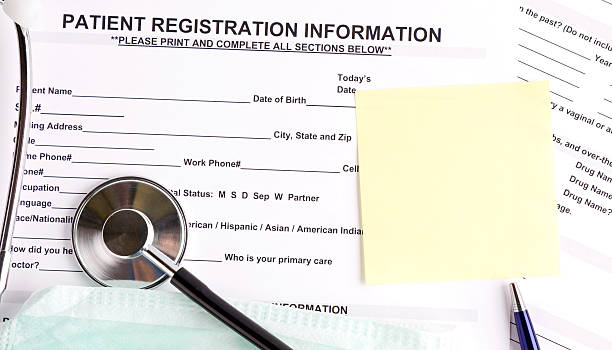
Once you have all your documents together, you need to fill out the application form itself. It asks for basic things like your name, address, and education history. It also asks about your work history and any previous licenses you have held. Take your time. Write neatly if you fill it out by hand, or type it if the form is a PDF. Double-check every date and every name. A small typo can cause a delay. I like to read it out loud to myself before I send it. That helps me catch mistakes.
Now you are ready to submit. But do not just throw everything in an envelope. Make a checklist. Put your documents in order as the instructions say. Staple or paperclip things that go together. Make a copy of everything for your own records. Then mail it with a tracking number. You want to know when it arrives. Some states let you apply online. If that is an option, use it. Online applications are usually faster and you can see your status.
After you send it, the waiting begins. That can be the hardest part. The board will review your application. If something is missing, they will send you a letter or an email telling you what you need. Do not panic. Just fix it and send it back as fast as you can. Sometimes they ask for more information even if you think you gave them everything. That is normal. It is not personal.
Once they approve your application, they will mail you your license or permit. That is the moment you have been working toward. It will feel amazing. You will be legally allowed to practice therapy under supervision. From there, you can start counting your hours toward full licensure. But for now, just focus on getting through this part. You can do it. One step at a time.