Have you ever noticed that you start talking like your best friend after hanging out with them? Or maybe you picked up a new hobby just by seeing someone else do it first. This happens all the time, and it’s something research psychologists love to study. They want to know exactly how our behavior gets shaped by the people and world around us. One of the most famous experiments ever done on this topic is called the Bobo doll study. It was run by a psychologist named Albert Bandura back in the 1960s. And the results were pretty eye-opening.
Here’s the setup. Bandura brought a group of kids into a room with a big inflatable clown doll called Bobo. The doll had a weight in the bottom so when you punched it, it would bounce right back up. Some of the kids watched an adult punch, kick, and yell at the doll. Other kids didn’t see this at all. Then each child was left alone in the room with the Bobo doll and some other toys. What do you think happened? The kids who had watched the adult being aggressive started acting the exact same way. They hit the doll, they kicked it, they shouted mean words. The kids who hadn’t seen the aggressive adult? They played nicer. They mostly ignored the doll or gave it a gentle push.
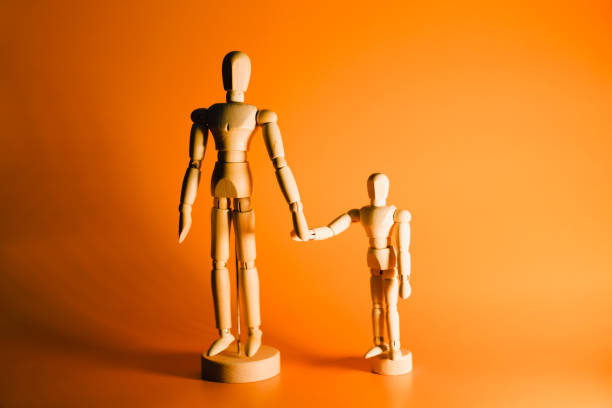
This experiment shows something huge about how we learn behavior. We don’t always need a reward or a punishment to pick up a new habit. Sometimes just watching someone else do something is enough. Bandura called this observational learning. It’s a fancy way of saying you learn by seeing. And it works for all kinds of behaviors, not just hitting dolls. Think about how you learned to tie your shoes, say please and thank you, or even how to act in a classroom. You probably watched your parents, teachers, or older siblings do those things first. Then you copied them.
Research psychologists who study behavior spend a lot of time figuring out why we act the way we do. They don’t just want to describe what happens. They want to predict and understand it. So they run experiments just like Bandura’s, but with different groups of people and different situations. For example, they might show a group of teenagers a video of someone being kind to a stranger and then see if those teenagers act kinder themselves. Or they might have volunteers play a video game where a character helps others and then measure if the players are more likely to help in real life.
Why does this matter for you? Because it helps you understand your own habits. If you ever wonder why you get angry in traffic the way your dad does, or why you laugh at the same jokes your friends laugh at, observational learning is probably part of the answer. And here’s the good news: you can also use this knowledge on purpose. If you want to learn a new skill or become a calmer person, you can watch people who already do those things well. Over time, your brain picks up on their actions and starts to copy them without you even trying.
The Bobo doll experiment got a lot of attention because it also raised big questions about violence in media. People worried that if kids copy what they see in real life, they might also copy what they see on TV, in movies, or in video games. That led to lots of other studies. Some found that violent media can make kids more aggressive, while others said the effect was small. But the main idea stuck: our environment, including the people and images we see, shapes our behavior in powerful ways.
Research psychology is all about asking these kinds of questions and testing them with careful experiments. It’s not just guesswork. Psychologists set up clear conditions, keep track of what happens, and look for patterns. That way, they can say things like “when kids watch aggressive adults, they are more likely to act aggressively themselves.” This kind of knowledge helps parents, teachers, and even doctors make better choices about how to raise kids and treat people.
So the next time you catch yourself doing something you saw someone else do, remember that little experiment with the Bobo doll. You’re not just copying. You’re using a powerful tool your brain has for learning. And that’s exactly what research psychologists spend their careers trying to understand. They study behavior so we can all make sense of why we do what we do.