Maybe you are thinking about becoming a therapist, but you worry about how you will get those real-life practice hours. You know you need to work with actual people, but the idea of driving to an office, sitting in a room with strangers, and figuring out what to say sounds scary. I get it. That is why online degree programs now offer something really cool called virtual clinical hours. You can do your training from your own home, using a computer and a good internet connection. It is not make-believe. It is real practice with real people, and it prepares you for the actual job.
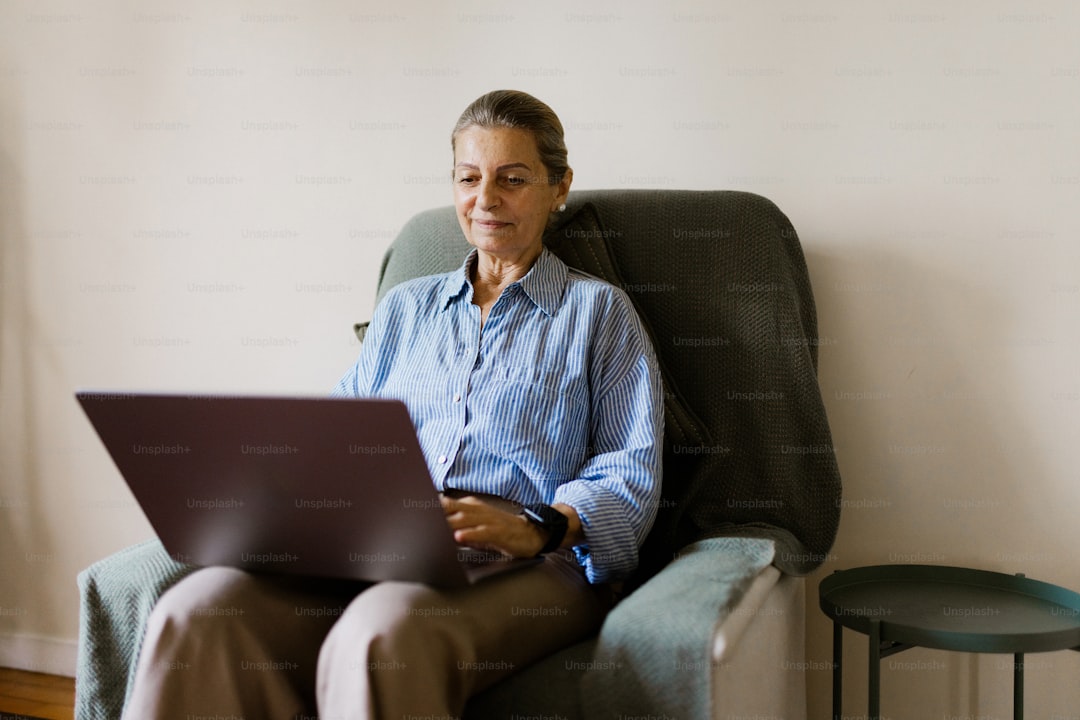
So what does a virtual clinical hour actually look like? Imagine you are in your bedroom or at a quiet desk. You log into a secure video platform, just like the ones your doctor or school counselor might use. Your supervisor, who is a licensed therapist, is also on the video call, watching and listening. In front of you, a volunteer client appears on the screen. That client knows you are a student and is there to help you learn. You start talking to them, asking questions, listening carefully, and trying to use the skills you learned in class. Your supervisor can send you a private message or talk to you after the session ends. They give you feedback on what you did well and what you can improve. This is exactly how in-person supervision works, except you do not have to leave your house.
You might wonder if this is as good as being in a real office. The truth is, many therapists now work with clients online even after they get their license. Telehealth is a huge and growing part of the mental health field. When you practice virtual clinical hours, you are actually learning the exact skills you will use in a real job. You learn how to read body language through a camera, how to keep someone engaged when they are not in the same room, and how to handle technical problems without panicking. These are real-world skills that employers look for.
Another big benefit is flexibility. If you are working a job or taking care of family, driving to a clinic at a set time every week can be really hard. With virtual hours, you can schedule sessions in the evening or on weekends. You can choose a time that fits your life. Many online programs let you pick your own clients from a pool of volunteers, so you can practice with different types of people. You might work with someone who has anxiety, another person who is sad, or someone who just needs to talk. That variety helps you become a better therapist.
Now, some people think virtual clinical hours might not feel real. But I promise you, when you are sitting across from a person who is sharing something personal, and you feel nervous and want to help, it feels very real. The emotions are the same. The responsibility is the same. The only difference is that you are looking at a screen instead of a chair. And after a few sessions, you stop noticing the screen at all.
You also have to complete a certain number of hours to graduate. Most programs require something like three hundred to six hundred hours, depending on your degree. You can do all of those hours virtually, or you can mix virtual and in-person. The choice is yours. Your school will have a system to track your hours, and your supervisor will sign off on them. It is all official and counts toward your license.
There is one more thing that is really nice about virtual clinical hours. It is less intimidating. If you are shy or worried about making mistakes, starting in a virtual setting can feel safer. You are in your own space. You can keep notes nearby. You can take a deep breath without anyone seeing you. As you get more confident, you can move to in-person if you want. But many people finish their whole degree with only virtual hours and go straight into a job doing online therapy.
So if you are considering a therapy degree but feel stuck on how to get practice, do not let that stop you. Virtual clinical hours are a proven, respected, and convenient way to learn. You will get the same skills, the same supervision, and the same real human connection. And you will be ready to help people, whether they are in a chair across from you or on a screen far away.