Hey there. I want to talk about something a lot of us struggle with. Maybe you bite your nails when you are nervous. Maybe you do it when you are bored. Or maybe you do not even notice you are doing it until your fingers are sore. Nail biting is a super common habit. Millions of people do it. And it can feel impossible to stop. But here is the good news. There is a way to break this habit, and it does not involve willpower or punishing yourself. It uses something called behavioral therapy. And the best part is, you can do it yourself with just a few simple tricks.
First, let me explain what behavioral therapy is in plain words. It is a way of looking at your actions and figuring out what triggers them. Then you replace the bad action with a good one. Think of it like a video game. Your brain has a pattern. When you feel stress, your brain says “time to bite nails.” Behavioral therapy helps you change that pattern. You do not have to be a therapist to use it. You just have to pay attention to yourself for a few days.
The first step is to notice when you bite. I know this sounds too simple, but it works. For one whole day, every time you catch yourself with your fingers in your mouth, stop and ask yourself one question: “What was I feeling right before this?” Were you watching TV? Were you waiting for a text? Were you worried about a test? Write it down in a notebook or on your phone. Do not judge yourself. Just notice.
After a few days, you will see a pattern. Maybe you bite every time you are sitting at your desk. Maybe you bite when you are driving. Maybe you bite when you are scrolling social media. That is your trigger. It is like a red button that sets off the habit. Now you know the enemy. And once you know the enemy, you can fight it.
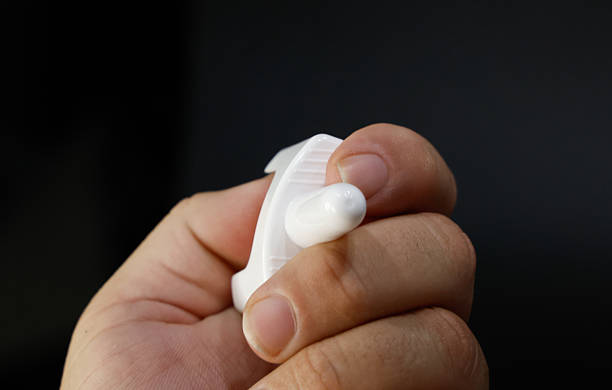
Here comes the behavioral therapy part. Instead of trying to stop the habit cold turkey, you are going to replace it with something else. Your brain wants to do something with your hands when it feels the trigger. So give your hands a new job. For example, if you bite when you are at your desk, keep a stress ball or a small squishy toy on your desk. Every time you feel the urge to bite, squeeze the ball instead. If you bite when you are watching TV, hold a fidget spinner or play with a piece of putty. The key is to make the replacement easy and right there in your hand.
Another trick is to put a small obstacle in the way. Behavioral therapists call this a “friction.” Make it a little harder to bite. Put a bandage on the tip of your thumb. Wear gloves for an hour while you watch a show. Paint your nails with a bitter-tasting polish. That bitter taste will remind your brain that nail biting is not fun anymore. It is like putting a lock on the cookie jar. You can still get to it, but it is not as easy, so you will stop trying.
Now, this part is important. Do not beat yourself up if you do it again. Habits do not disappear overnight. They fade slowly. If you bite your nails three times today, try to cut it down to two times tomorrow. That is a win. Celebrate that small win. Tell yourself, “Hey, I did good.” Positive reinforcement is a huge part of behavioral therapy. Reward yourself with something small when you go a whole day without biting. Maybe a piece of candy or an extra ten minutes of your favorite show. Your brain learns that not biting feels good.
You might also want to replace the feeling of biting with a different mouth habit. Some people chew gum. Some people suck on a mint. Others just take a deep breath and exhale slowly. The deep breath is actually a very powerful tool. It calms your nervous system down. Next time you feel the urge to bite, stop, take a long slow breath in through your nose for four seconds, hold it for four seconds, then breathe out through your mouth for four seconds. Do that three times. It sounds silly, but it really works. It changes your body from stressed to relaxed.
Another cool trick is to keep your nails looking nice. When your nails are clean and trimmed and maybe even have a clear coat on them, you will be less likely to chew them up. You could also take a picture of your nails on day one, and then another picture after one week. Seeing the progress can be really motivating.
Remember, you are not alone in this. Lots of people have broken this habit using these simple behavioral therapy methods. They just had to learn a little about their own triggers and then be patient with themselves. You can do it too. The most important thing is to start today. Not tomorrow. Not next week. Right now. Take one small step. Put a bandage on your thumb. Or write down one trigger. That is all you need.
Habits are just patterns in your brain. And patterns can be changed. You have the power to rewrite your own video game. So go ahead. Give it a try. Your fingers will thank you.