So you have finished your degree and you are ready to become a real therapist. That is a huge deal. But before you can call yourself a licensed therapist, you need to get your clinical hours approved. This is a big step in the application process, and it can feel a little confusing at first. But do not worry. I am going to walk you through it like a friend who has been there before. Think of me as the person sitting across from you at a coffee shop, telling you exactly what to do.
First, you need to understand what clinical hours are. These are the hours you spend actually working with clients under the watch of a licensed supervisor. You are not just sitting in a classroom anymore. You are doing the real thing. Your state licensing board will want proof that you have done a certain number of these hours. Most states require somewhere between two thousand and four thousand hours. That sounds like a lot, but you get there one session at a time.
Now, the tricky part is making sure those hours count. You cannot just show up at any office and start seeing clients. Every state has rules about where you can get your hours, who can supervise you, and what kind of work counts. For example, some states say you must see clients face to face. Others let you count phone or video sessions too. You need to check your state’s rules carefully. The best place to find this information is your state’s licensing board website. It might seem boring, but read every detail. Write down the numbers they mention.
Next, you need to find a supervisor. This is someone who is already licensed and has been practicing for a few years. They will watch over your work, sign off on your hours, and help you learn. Choose someone you feel comfortable with. You will be talking to them a lot. Some people find a supervisor through their job. Others hire one on their own. Make sure your supervisor is approved by your state board. Some states have a list you can check. Do not skip this step. If your supervisor is not approved, your hours might not count.
Once you have a supervisor, you need to keep track of your hours. This is where many people mess up. Do not just guess. Keep a log. Write down the date, how long the session lasted, what you did, and your supervisor’s signature. You can use a notebook, a spreadsheet, or a special app. The important thing is to record every single hour. Even a fifteen-minute check-in with a client counts. Write it down. You will thank yourself later when your board asks for proof.
Another thing to know is that not all hours are the same. Many states separate your hours into different types. You might have direct client hours, which are the actual sessions. You also have indirect hours, like writing notes, talking with your supervisor, or learning new skills. Some states want a certain number of each. Pay attention to the breakdown. If you only do direct hours and your state wants a hundred hours of supervision, you will fall short.
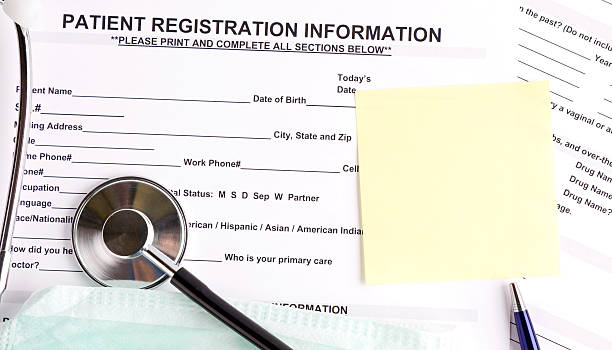
Now, let us talk about the approval process. Once you have completed all your hours, you need to submit them to your state board. This is usually a form you fill out. Your supervisor has to sign it. Then you send it in with a fee. Yes, there is always a fee. The board will review everything to make sure it matches their rules. Sometimes they take a few weeks or even months. Be patient. If they find a problem, they will tell you what to fix. Do not panic. Just fix it and resubmit.
One last tip: start early. Do not wait until the last minute to gather your paperwork. Keep everything organized from day one. That means saving emails, keeping your log updated, and asking for signatures right after each supervision meeting. It feels like a lot, but breaking it into small steps makes it easier.
I know this all sounds like a lot of work. But think of it as building a strong foundation for your career. Every hour you track, every form you fill out, brings you closer to that license. And once you have it, you can help people in a real way. That is worth all the effort. So take a deep breath, get your notebook ready, and start that first session. You have got this.