If your family has been through something really hard, you already know that the hurt doesn’t just go away when the event is over. It stays with you. It shows up in the way people snap at each other, in the way some family members go quiet and hide in their rooms, in the way small things like a loud noise or a certain look can set off feelings that are way too big for the moment. That is trauma. And when trauma is in your family, it changes how everyone feels safe.
But here is the good news. You can help your family heal by making your home a safer place. I am not talking about locks on doors or alarms. I am talking about emotional safety. A space where people don’t have to be on guard all the time. A place where it is okay to feel scared, angry, sad, or confused without worrying that someone will yell at you or shut you out. This kind of safe space is one of the most powerful things you can build when your family is dealing with trauma.
Start with listening without fixing. When someone in your family shares something hard, our first reaction is often to jump in and try to solve it. We say things like, “You should just think positive,“ or “It wasn’t that bad.“ But that can make the other person feel unheard. Instead, just listen. Nod. Say, “That sounds really hard.“ Let them know you are there with them, not there to change them. In a family that has been through trauma, being heard is the first step toward feeling safe.
Next, talk about what triggers each person. A trigger is anything that reminds your brain of the trauma and makes you feel like you are back in that scary moment. For one person, it might be a certain smell. For another, it might be someone raising their voice, even if it is not angry. When your family knows each other’s triggers, you can be more careful. You can warn each other ahead of time. You can say, “Hey, I am about to vacuum, and I know that sound bothers you. Want to go to your room for a few minutes?“ That is a simple way to show love and respect.
Create a calm-down corner or zone. This does not have to be fancy. It could be a chair with a soft blanket, or a spot in the living room where nobody is allowed to argue. Let everyone in the family know that if someone goes to that spot, they need space. No following them. No asking questions. It is a safe place to breathe. In trauma, the nervous system gets stuck in fight-or-flight mode. Having a physical place where you know you will not be bothered helps your brain learn that it is okay to relax.
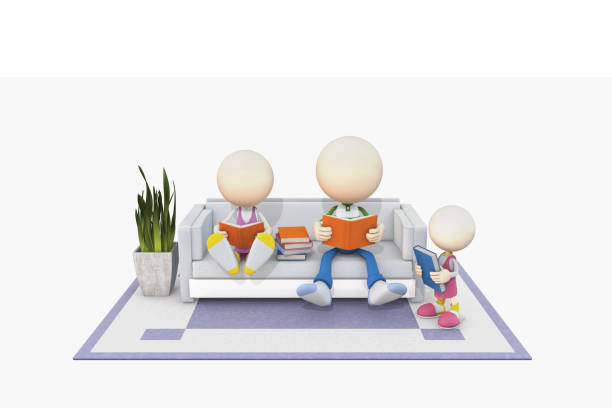
Use routines and predictability. After trauma, the world feels out of control. One way to give your family a sense of safety is to have regular routines. Maybe you eat dinner together at the same time most nights. Maybe you have a goodnight ritual like reading a few pages of a book or talking about one good thing from the day. When your brain knows what to expect, it can let some of the guard down. Predictability is like a warm blanket for a scared heart.
Another big piece is letting people feel their feelings without judgment. In a family healing from trauma, people might cry a lot, get angry fast, or check out completely. None of these are wrong. They are just signals that someone is hurting. Instead of saying, “Stop crying,“ try saying, “I see you are really sad. I am here with you.“ If a kid throws a tantrum, it might not be about being bad. It might be that their brain is overwhelmed. Stay calm. Stay kind. That teaches the whole family that strong feelings are allowed, and they will pass.
You also need to take care of yourself. This is hard. If you are a parent or a caregiver, you cannot pour from an empty cup. When you are calm and grounded, your whole family feels it. Your breathing, your tone of voice, your posture all send signals. If you are tense and snapping, everyone else gets tense too. So take time for yourself, even if it is just five minutes to sit quietly. Breathe. Let your own nervous system settle. That helps you become a safe person for others.
Finally, remember that healing takes time. You will not fix everything in a week or a month. There will be good days and bad days. On the bad days, just be gentle with each other. Admit when you mess up. Say sorry. Try again. That is what real safety looks like. Not perfection, but people who keep showing up, keep trying to understand, and keep choosing to be kind even when it is hard.
Your home can be a place where healing happens. It starts with small choices every day. Listening instead of fixing. Noticing triggers. Creating routines. Being okay with messy feelings. When you do these things, you are telling your family, “You matter. You are safe here. We will get through this together.“