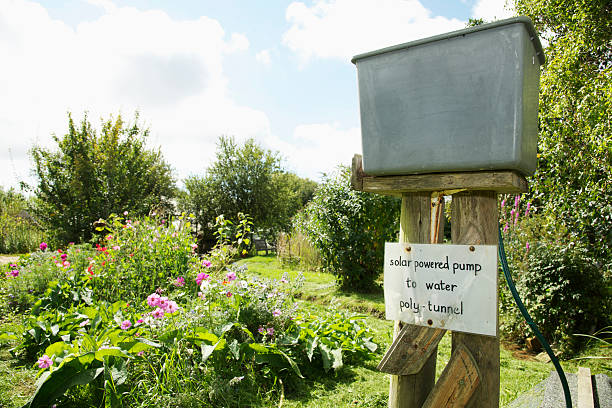
Have you ever looked at an empty lot in your neighborhood and thought, “Someone should do something with that”? Maybe it’s just a patch of dirt with weeds. Or maybe it’s a space where trash piles up. You might feel small, like one person can’t make a difference. But here’s the truth: you can. And the best part? You don’t need a degree in social work to start. You just need a little courage, some friends, and a shovel.
Community organizing is a huge part of social work. It’s not about sitting in an office and filling out forms. It’s about getting out there with your neighbors and creating real change together. One of the most powerful ways to do that is by starting a community garden. It sounds simple, right? It is. And that’s exactly why it works.
Let me walk you through how this works, because I’ve seen it happen. A few years ago, a woman named Maria lived on a street where the only green space was a cracked sidewalk. Kids played on the asphalt. Older people had nowhere to sit and chat. Maria was tired of waiting for the city to fix things. So she talked to her next-door neighbor, Mr. Jenkins, who had a big backyard he never used. She asked if she could plant some tomatoes there. Mr. Jenkins said yes, but only if she let him help. Then Maria talked to the family across the street. They had three kids who loved carrots. Pretty soon, four families were digging up Mr. Jenkins’s yard. They planted carrots, lettuce, peppers, and a sunflower that grew taller than any of the kids.
That little garden didn’t just grow vegetables. It grew friendships. People started talking to each other. They shared recipes. They watched each other’s kids. When a storm knocked down the sunflower, the whole block came out to help prop it back up. The garden became a meeting place. That’s community organizing in action. You don’t need a big plan or a grant. You just need a problem or a need, and a group of people willing to work on it together.
Now, why does this matter for someone thinking about a career in social work? Because community organizing is one of the most powerful tools you can learn. Social workers don’t just help individuals one-on-one. They help whole neighborhoods solve problems. A community garden is a perfect example. It can address hunger, loneliness, lack of green space, and even crime. When people take pride in a garden, they take pride in their block. They look out for each other. That’s real change.
If you want to try something like this, here’s a simple way to start. First, walk around your neighborhood. Notice empty spaces, overgrown lots, or even a corner of a park that nobody uses. Talk to people. Ask them what they wish they had. You might hear “I wish my kids had a place to play” or “I’d love to grow my own food but I don’t have a yard.“ Write down these ideas. Then find one other person who is excited. Just one. That’s your first team. Together, you can talk to a local church, a school, or a community center. Ask if they have a patch of land you can use. Most people will say yes if you explain what you’re doing.
Next, set a small goal. Don’t plan a huge garden. Start with three raised beds or even a few container pots. Get a few seeds from the dollar store. Invite a few neighbors to a “planting party.“ Bring snacks. Play music. Make it fun. The work is the reward. Once the plants start growing, your neighbors will notice. They’ll ask questions. Some will want to help. Before you know it, you have a group of people who care about the same thing. That’s the heart of community organizing.
The beauty of a garden is it teaches patience, teamwork, and hope. You plant a seed and you wait. Not everything grows. Some plants die. But you try again. That’s exactly how real community change happens. It’s slow. It’s messy. But when you see a kid eat a tomato they grew themselves, you know it’s worth it.
So if you’re thinking about a career in social work, or even just a way to make your neighborhood better, consider starting small. A garden. A block party. A clean-up day. It doesn’t have to be fancy. It just has to bring people together. That’s what community organizing is all about. And that’s how change really happens.