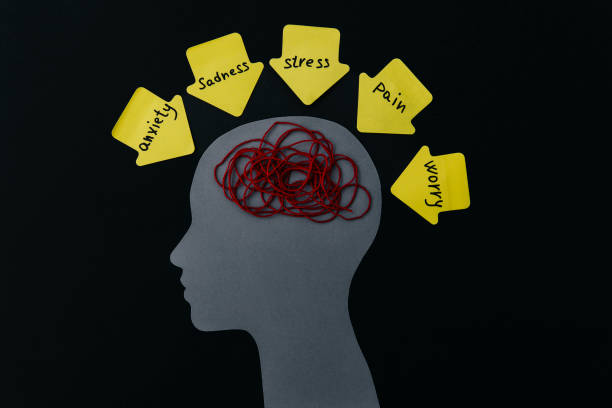

Have you ever felt your stomach drop right before a big test? Or maybe you have a kid who cries every morning before school and you just don’t know why. I remember when my own niece, Emma, started fourth grade and suddenly hated going to school. She would say her head hurt, her belly was tight, and she just wanted to stay home. Her teacher thought she was being lazy. But Emma was really just stressed out, and she didn’t have the words to explain it. That is exactly the kind of problem a school psychologist is trained to help with.
School psychologists are not the same as the therapists you see in a private office. They work right inside the school building. They know the teachers, the hallways, the lunchroom, and all the little things that can make a kid feel nervous or overwhelmed. Their job is to help students like Emma figure out what is going on and find ways to feel better without leaving school. They do not just focus on big scary problems. They help with everyday stress too.
Let me tell you what that looks like. A school psychologist might start by spending time with a student in a quiet room. They ask simple questions like, “What feels hardest about your day?” or “When do you feel most worried?” They are not looking for a right or wrong answer. They are just trying to understand the kid’s world. Sometimes a student is stressed because they do not understand a math lesson and are scared to ask for help. Other times they might be worried about a friend who is mean, or they might feel pressure from parents to get perfect grades. The school psychologist listens without judging.
But they do more than listen. They also work with the teacher to make small changes that can make a big difference. For example, if a kid gets super anxious before a test, the psychologist might suggest letting that student take the test in a quiet corner of the library instead of a noisy classroom. Or they might help the student learn a simple breathing trick to calm down. I remember learning about a boy who always felt sick during spelling quizzes. The school psychologist taught him to put his hand on his belly and take three slow breaths before he started. After a few weeks, he did not feel sick anymore. Small tricks can be huge.
School psychologists also help kids who have a hard time making friends. Some students get lonely or feel left out on the playground. A psychologist might start a little group where three or four kids practice having conversations, sharing a snack, and taking turns in games. It is like a friendly club where everyone learns how to be a good friend. That can ease a lot of stress because feeling alone at school is one of the hardest things a kid can go through.
Parents often worry that if their child talks to a school psychologist, it means something is really wrong. But that is not true. School psychologists help all kinds of kids with all kinds of problems. Some kids just need a little extra support for a few weeks. Others might see the psychologist on and off for years. The goal is always to help the student feel safe, feel ready to learn, and feel okay being themselves.
Another big part of the job is spotting when a kid might have a learning disability or something like ADHD. The school psychologist gives special tests that are nothing like the tests teachers give. These tests are like puzzles and games that show how a student’s brain works. They can figure out if a kid has trouble paying attention because their mind races too fast, or if they have trouble reading because letters get mixed up. Once they know the reason, they can help the school put a plan in place. That plan might include extra time on tests, a quieter place to do work, or special teaching methods that match how the student learns.
I think one of the most important things school psychologists do is be a steady, kind adult that students can trust. School can feel big and scary, especially when you are young. Knowing there is one person in the building who truly listens and does not get mad can make all the difference. For kids who do not have that kind of support at home, the school psychologist can be a lifeline.
If you are thinking about becoming a school psychologist, you get to be that person. You get to help kids who are stressed, confused, or just having a rough time. You get to work with teachers and parents to make the whole school a better place. And you do not need to be a super brainy scientist. You just need to care about kids and be willing to learn how to listen and help. It is a career where every day you make a real difference in one kid’s life. And sometimes that is all it takes to help a whole school feel like home.