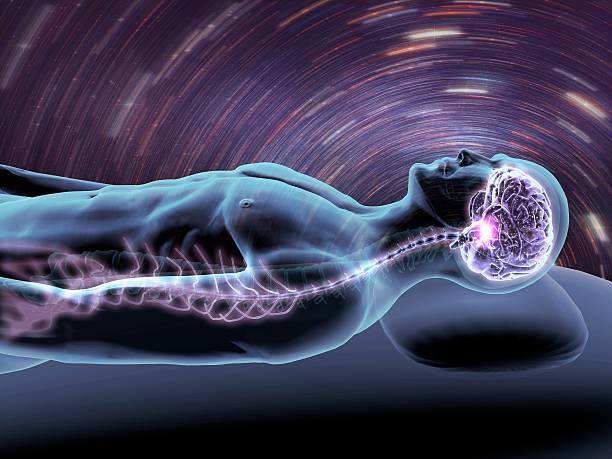
If you have ever felt a bad mood lift when your favorite song comes on, or felt calm because of a gentle tune, you have felt the power of music. Now, imagine using that power on purpose to help people heal. That is exactly what music therapy is. It is not just listening to music. It is a real type of therapy where trained professionals use music to help people with their mental, emotional, and social needs. For anyone thinking about a career in therapeutic help, music therapy is a powerful and growing field that makes a real difference.
Music therapy works because sound and rhythm connect to us in a deep way. Our brains and bodies naturally respond to music. A fast drumbeat can make our heart beat faster. A soft, slow melody can slow our breathing and help us relax. A music therapist uses these reactions as tools. They might help someone with anxiety learn to breathe in time with a calm song to find peace. They might help someone who is very withdrawn to express anger or sadness by banging on a drum. The music becomes a safe way to explore and share feelings that are too hard to talk about.
This therapy is especially powerful for mental health. People dealing with depression, trauma, stress, or addiction often find it hard to put their painful experiences into words. Talking can feel scary or impossible. Music offers another path. A client might write song lyrics to tell their story. They might listen to a piece of music that matches their sadness, helping them feel understood and less alone. By making music together with their therapist, they can also rebuild a sense of connection and trust with another person. It is healing through doing and feeling, not just talking.
So, how do you turn this into a career? Becoming a music therapist is a perfect choice for people who love both helping others and music. It is a mix of art and science. You will need a strong desire to support people’s mental health and a good level of skill with music. You do not have to be a concert-level musician, but you should be comfortable singing, playing instruments like guitar or piano, and using your voice to connect with others.
The path starts with the right education. You will need at least a bachelor’s degree in music therapy from a program approved by the American Music Therapy Association. These programs teach you about psychology, counseling, and how music affects the body and brain. You will also learn many different music skills. A huge part of your training will be hands-on. You will complete many hours of supervised clinical work, where you practice therapy with real clients under the guidance of an experienced professional. After your degree, you must pass a national board exam to earn the credential MT-BC (Music Therapist-Board Certified).
For those looking at TherapyDegree.com to start or change their career, music therapy represents a unique and rewarding opportunity. It is a career for creative, caring people who want to think outside the box. Job opportunities are growing in places like hospitals, mental health centers, schools, rehab clinics, and private practice. Every day is different, using the universal language of music to help people find their voice, manage their pain, and build a healthier mind. If you want a career that truly heals through connection, music therapy might be your calling.