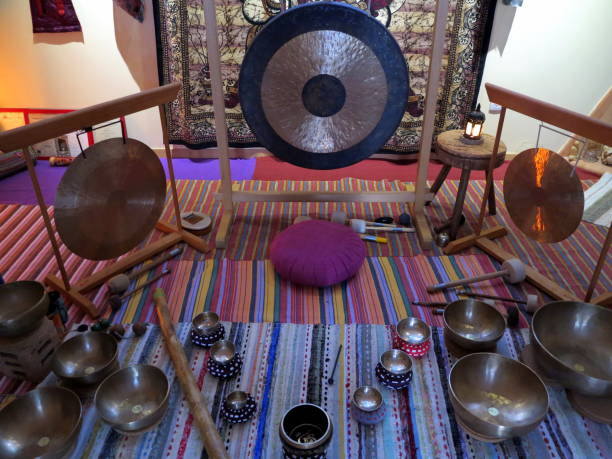
You know that feeling when a song comes on and your chest feels lighter? Maybe your foot starts tapping. Maybe you smile without meaning to. Or maybe a sad song helps you cry when you needed to. Music does something inside us. It can change a hard day. It can hold our feelings when we do not have words. That is why music therapy is a growing part of mental health counseling. It uses sound to help people heal.
Music therapy is not just listening to your favorite playlist. It is a real kind of counseling led by a trained music therapist. This person knows how music affects the brain and the body. They also know how to help people talk about feelings and big life changes. You do not need to sing well. You do not need to play an instrument. You just need to be open to trying. The music does the rest.
One reason music therapy works is because sound is physical. It is made of vibrations. Those vibrations move through the air and into your body. A slow beat can help your breathing slow down. A steady rhythm can help your heart feel calm. Soft music can relax tight muscles. When your body calms down, your mind often follows. This helps people who feel worried all the time. Music can gently tell the body, “You are safe right now.“
A music therapist might start by asking how you feel. Then they might pick a song that matches your mood. They will not force you to be happy right away. Instead, they meet you where you are. If you feel angry, you might hit a drum. If you feel sad, you might listen to a slow piano piece. If you feel scared, you might hum a low note and feel the buzz in your chest. Later, the therapist may guide you toward a calmer sound. This helps your feelings move instead of staying stuck.
You might also write a song. It does not have to rhyme. You can change the words to a song you know. You can draw what the music looks like in your mind. You can move your body to the beat. There is no wrong way. The goal is not perfect music. The goal is to let something real come out.
Music therapy can help with many things. It can help with stress, sadness, worry, and grief. It can help people who have been through hard times. It can help people who have trouble speaking about their feelings. It can help kids, teens, and adults. It can help people remember happy moments. Music reaches parts of us that words cannot always reach.
What makes music special is that it gives you control. You can choose a fast song when you need energy. You can choose a soft song when you need rest. You can stop the music when it feels like too much. You can turn it up when you need to feel brave. In a world where so much feels out of your hands, that choice matters. It reminds you that you have a voice.
You can also use music at home between therapy sessions. Make a playlist for calm. Make one for when you feel strong. Make one for when you need to cry. Notice how your body feels when you listen. Do your shoulders drop? Does your breath get deeper? Try tapping a slow beat on your leg. Try humming one long note. These small moments can add up. They are not a replacement for a counselor if you are in crisis, but they can help.
If you are thinking about counseling, you can ask if music therapy is an option. You can ask a trusted adult, a school counselor, or a doctor. You do not have to be an artist to benefit. You just have to be human. Sound is already around you. It is in your voice, your heartbeat, and the rain on the window. Healing does not always come from talking. Sometimes it comes from a note, a beat, or a song that says what you cannot say. Music can be a friend on the hard days. It can be a path back to yourself.