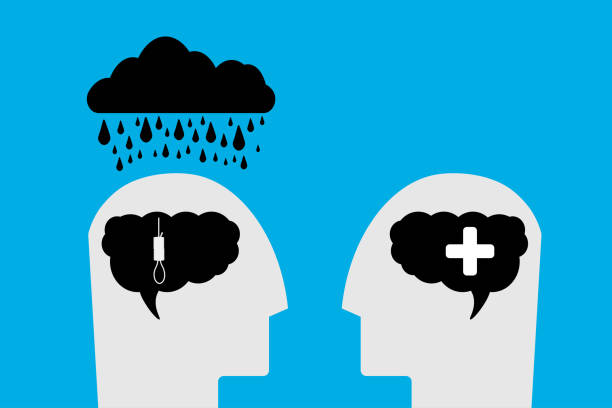
When someone you care about is going through a mental health crisis, it can feel scary. You might not know what to say. You might worry about making things worse. That is normal. But with the right training and a calm heart, you can become the kind of person who helps in those tough moments. This is what a mental health crisis responder does every day.
Let’s break that down. A mental health crisis is when a person’s feelings or thoughts get so big that they cannot handle them anymore. It can look like crying, shaking, saying scary things, or shutting down completely. It can happen to anyone. It is not a sign of weakness. It is a signal that the person needs support.
As someone interested in social work, you might be drawn to this kind of work. You want to be there for people. You want to use your kindness and your ears. Good news: that is exactly what crisis response is about. You do not need to be a therapist to make a difference. You can be the person who sits with someone in the dark and helps them find the light switch.
What do crisis responders actually do? First, they stay calm. This is like being a lighthouse in a storm. The person in crisis might be spinning, but you stay steady. You speak slowly. You lower your voice. You use simple words. You might say, “I am here. I hear you. We are safe.“ That can do more than any big speech.
Next, you listen without judging. A big mistake people make is trying to fix everything. But a person in crisis often does not need fixes. They need to know that someone sees them. You can say, “That sounds really hard. I believe you.“ Those words are like a warm blanket for the brain. When you learn to listen this way in social work, you become a trusted helper.
Another important part is being safe. Sometimes a person might talk about hurting themselves. This is serious. You do not panic. You stay with them. You call for backup, like a crisis hotline or a local emergency team. You help them get to a safe place. You are not alone in this. You have tools and teammates. In a good crisis response program, you learn exactly what to do step by step.
Now, why would you choose this path? Maybe you have seen a friend struggle. Maybe you have struggled yourself. That pain can turn into purpose. When you help someone through a crisis, you give them a second chance at a good day. You become the person you needed once. There is no better feeling than knowing you made someone feel less alone.
But you might wonder: is this too much for me? Are you tough enough? Let me tell you a secret. You do not need to be tough. You need to be real. You need to show up. You need to breathe. The skills are learned, like riding a bike. At first it feels wobbly. Then, with practice, you get smoother. You will have good days and hard days. That is part of the journey.
If this sounds like you, the next step is simple. Look for a local program that teaches crisis intervention. Many social work degrees include this training. You can also volunteer at a hotline to get experience. Every volunteer call teaches you something. You learn how to listen, how to calm, and how to connect people with help.
In a world where so many people feel invisible, crisis responders are the ones who say, “I see you.“ That does not require a cape. It requires a caring heart and a willing mind. You have both. So if a small voice inside you says “this is what I am meant to do,“ trust it. You can learn, grow, and become someone’s safe person.
That is what mental health crisis response is all about. It is not about having all the answers. It is about showing up with love, listening with patience, and helping someone find their next step. Whether you are just starting out or looking to change careers, this path is open to you. The world needs more helpers. It needs you.