You finished your classes and now you are looking for a job. If you want to help people feel better, a hospital or medical center is a great place to start. Hospitals are busy, but they are full of chances to make a real difference. You might work with someone who just had surgery, a child who needs help moving, or an older adult who wants to go home. Your first job may feel big, but you do not have to know everything on day one. You just need to be kind, curious, and ready to learn.
One common path is physical therapy. Physical therapists help people move their bodies. In a hospital, you may help a person sit up, stand, or walk again after an injury. You may teach safe ways to use stairs or get into a car. You will work with nurses, doctors, and other therapists. You might see people for a short time, so you have to be clear and encouraging. You celebrate small wins, like taking five steps. Those wins matter a lot.
Occupational therapy is another path. The word “occupational” can sound like a job, but it really means daily life. Occupational therapy assistants and therapists help people do things they need or want to do. That could be getting dressed, brushing teeth, cooking, or returning to school. In a hospital, you might help someone use a walker, pick up a spoon, or button a shirt in a new way. You look at what the person can do and build from there. You also change the space or tools to make life easier. This job is hands-on and creative.
Speech therapy is important in hospitals. Speech therapists help with talking, listening, swallowing, and thinking skills. After a stroke or head injury, a person may have trouble finding words or eating safely. You might work on simple sounds, memory games, or safe swallowing. You may help families learn how to talk with their loved one. This work takes patience. Progress can be slow, but each step can change a person’s day.
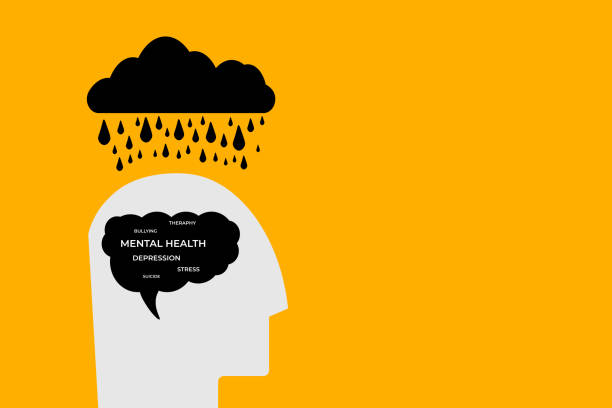
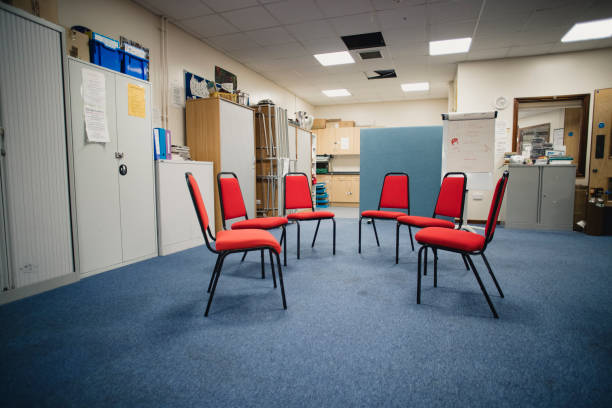
Some graduates work in mental health care inside hospitals. You might help people who feel very sad, scared, or confused. You could lead a small group, talk one-on-one, or teach ways to handle stress. You may work with doctors, nurses, and social workers. Your job is not to fix everything. Your job is to listen, support, and help people find their next step. That can be powerful.
Medical centers also need recreation, music, art, and child life therapists. They plan activities, use art and music, and help kids understand the hospital. These jobs can be joyful even on hard days.
To get started, finish your program and get any license or certificate you need. Then look for jobs at hospitals, rehab centers, clinics, and medical centers. You can also volunteer or work as an aide while you study. That gives you a feel for hospital life. Ask questions. Watch how other therapists talk to patients. Learn how to write notes and work with a team. Hospital jobs move fast, so being organized helps.
Hospitals can be loud and emotional. You may see people who are very sick. You may meet families who are worried. It is okay to feel sad sometimes. Talk with your boss, a mentor, or a friend. Take your breaks. Drink water. Rest when you can. Taking care of you helps you take care of others.
The best part of this work is the people. You will meet folks from all walks of life. You will hear stories that stay with you. You will help someone take a first step, say a first word, or smile after a long day. You will not always see the full ending. But you can know you helped them in a hard moment. That matters.
If you are thinking about a job in a hospital or medical center, you do not need to be perfect. You need to be willing to learn. You need to show up with kindness. You need to work with others. There are many paths, and one may be yours. Start small. Ask questions. Keep going. Your future patients are waiting for someone like you.