Have you ever felt like no one really sees you? Maybe you have a grandparent or an older neighbor who seems to spend a lot of time by themselves. Maybe you are an older adult yourself, and you know what it feels like to watch your phone stay quiet all day. Loneliness is not just a sad feeling. For older adults, it can become a serious problem that affects their health, their happiness, and even how long they live. But there is good news. There are people called geriatric counselors who are trained to help older adults with these exact feelings. They offer a safe place to talk, to be heard, and to find new ways to connect with the world.
Let’s be real. Getting older comes with a lot of changes. You might lose friends and family members over time. Your children may move far away. Maybe you cannot drive anymore, or your body does not let you do the things you used to enjoy. All of these losses can add up to a deep sense of being alone. It is not your fault. It is just life. But that does not make the ache any less real.
Geriatric counseling is a special kind of therapy that focuses on the needs of people who are sixty-five or older. The counselors who work in this field understand that being old is not the same as being young. They know that older adults have a whole lifetime of experiences, both happy and hard. They also know that some problems, like loneliness, take a unique approach to solve.
A geriatric counselor does not judge you. They do not tell you to just “get over it.” Instead, they sit with you and listen. They ask questions about your life, your memories, and your daily struggles. They help you see that you are not crazy for feeling sad or lonely. These feelings are normal. But they are also things you can work through.
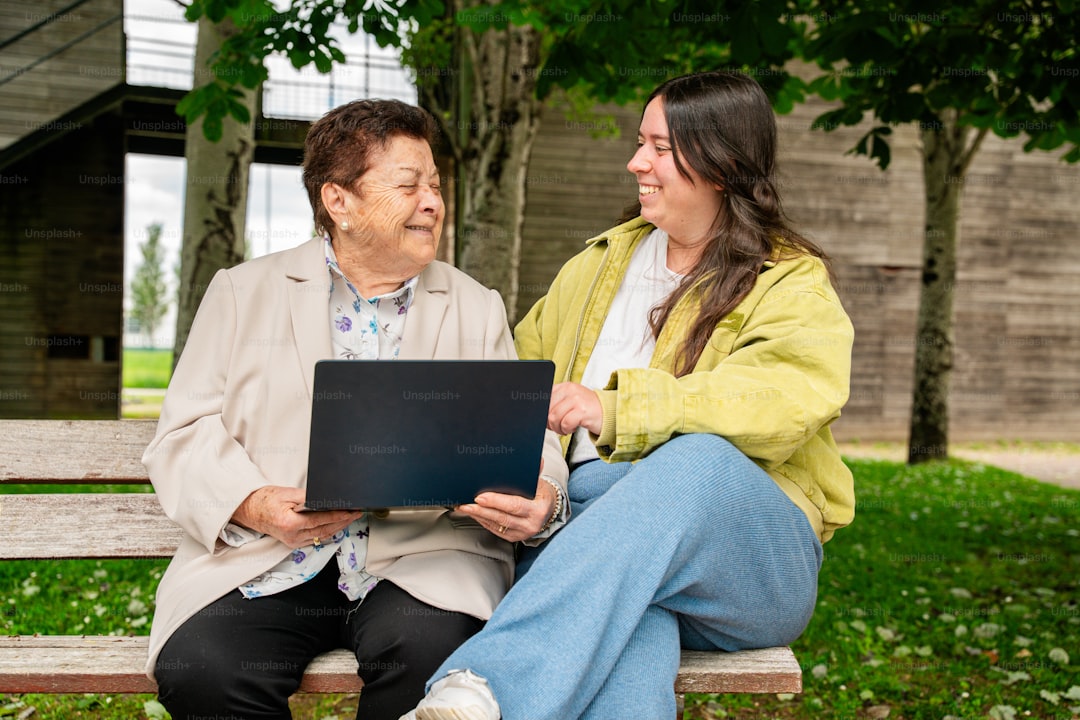
How does that work? Imagine you are an older person who lives alone. You feel like you have nothing to look forward to. A counselor might help you find small steps to change that. Maybe you start by calling a friend once a week. Maybe you join a low-cost senior center group where people play cards or do crafts. Maybe you learn to use a tablet to video chat with your grandchildren. These sound like little things, but for someone who has felt invisible for a long time, they can be huge.
Counselors also teach skills. They might show you ways to change how you think. For example, if you keep telling yourself, “Nobody wants to talk to me,” a counselor can help you challenge that thought. Is it really true? Or are there people who would love to hear from you, but you have not reached out because you are afraid? Changing those inner thoughts can break the cycle of loneliness.
Another important part of geriatric counseling is helping with grief. Many older adults have lost a spouse, siblings, or close friends. That kind of loss can feel like a hole that never fills up. A counselor can help you honor those losses while also finding new things to live for. They might encourage you to share stories about the people you miss, which can make their memory a comfort instead of just a source of pain.
And here is something surprising. Loneliness is not just about being alone physically. Some older adults live with family but still feel completely disconnected. That happens when people are in the same house but do not really talk or understand each other. A geriatric counselor can help families communicate better. They can show family members what the older person is really feeling, and they can give the older person a voice to ask for what they need.
But maybe you are reading this and thinking, “That sounds nice, but how do I even start?” The first step is to talk to your doctor. Many doctors can recommend a geriatric counselor or a therapist who works with older adults. You can also look online for therapists who specialize in aging. Some counseling even happens over the phone or video call, which is great if you have trouble getting around.
The most important thing to know is this: You do not have to face this alone. Being old does not mean you have to be lonely. There are people who care, people who have made it their life’s work to help older adults feel seen and valued. Geriatric counseling is not about fixing you, because you are not broken. It is about giving you the tools and the support to build a life that still has joy, connection, and meaning.
If you are an older adult feeling isolated, or if you love someone who is, please reach out. That first phone call might be the hardest part. But on the other side of that call is a counselor who will listen, understand, and walk alongside you. You matter. Your story matters. And you deserve to feel connected again.