
So you’ve finished your degree and training, and you’re ready to start helping people as a therapist from your own home. That’s exciting. Telehealth therapy lets you work where you feel most comfortable, and it gives your clients the chance to get help without leaving their houses. But before you schedule your first video session, you need to think about where you’ll be doing this work. Your home office isn’t just any room. It’s where you’ll build trust, listen carefully, and make people feel safe. Let’s talk about how to set it up the right way.
First, pick a spot that’s quiet and private. You don’t want your dog barking in the middle of a serious talk, or your roommates walking in during a session. If you have a spare bedroom or a corner of your living room that you can close off, that’s perfect. If not, even a closet can work if you clear it out and add a small desk. The key is that your clients feel like they are the only person in the world when they talk to you. Noise from outside, like traffic or kids playing, can be distracting. A simple white noise machine or a fan can help cover background sounds. And a “Do Not Disturb” sign on your door lets your family know not to bother you.
Now let’s talk about what’s behind you. Your camera will show whatever is in your background. A blank wall is fine, but a messy pile of laundry is not. You want people to focus on you, not on your stuff. A bookcase with a few nice books or a calm piece of art can look friendly and professional. Just avoid anything too personal, like family photos or a messy bed. Your goal is to create a space that feels warm but also shows you take your work seriously. Think of it like a cozy coffee shop corner, but without the coffee smells.
Lighting is another big deal. Bad lighting can make you look tired or even scary. Natural light from a window is great, but make sure the window is in front of you, not behind you. If the light is behind you, your face will look dark like you’re in a shadow. Put your desk so the window is facing you, or use a lamp placed to the side of your camera. A simple ring light that clips onto your computer can also help your face look clear and friendly. Test it out before your first session. Ask a friend to tell you if they can see your eyes and mouth easily.
Your computer and internet need to be reliable. Nothing ends a session faster than a frozen screen or a call that drops. Make sure your internet speed is fast enough for video calls. Most online therapy platforms need at least 10 megabits per second. You can check your speed for free on a website like Speedtest. If your internet is slow, try plugging your computer directly into your router with an ethernet cable instead of using Wi-Fi. Also keep your laptop or computer charged during sessions, or have the charger nearby. It’s a small thing, but you don’t want to panic in the middle of a session because your battery is dying.
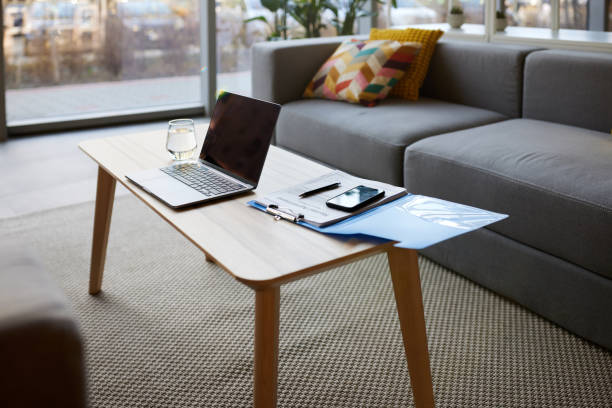
You also need to think about your own comfort. You might sit for hours talking to people. A good chair that supports your back is worth the money. Your desk should be at the right height so your shoulders don’t hurt. Keep a glass of water nearby. Some therapists like to have a cozy blanket or a plant in the room to make it feel like a safe space for themselves, too. That’s okay. Just remember that your workspace is for work, not for lounging. When you’re done for the day, close your laptop and step away. This helps your brain know that work is over.
Finally, think about privacy and security. You are having private conversations about people’s feelings and problems. Make sure no one else in your house can hear what you say. Use headphones or earbuds with a microphone. Most people use the ones that came with their phone, and those work fine. Also keep your screen facing away from windows or doors where someone might peek in. Use a password on your computer and lock it when you step away. And always use a secure, HIPAA-approved video platform for your sessions. Your school or training program probably told you which ones are safe.
Setting up your home office might take a little time and maybe some money. But it’s an investment in your new career. When your space feels right, you can focus on what really matters: listening, helping, and making a difference in someone’s life from the comfort of your own home. Take it step by step, and soon you’ll be ready to welcome your first client with a calm heart and a clear screen.