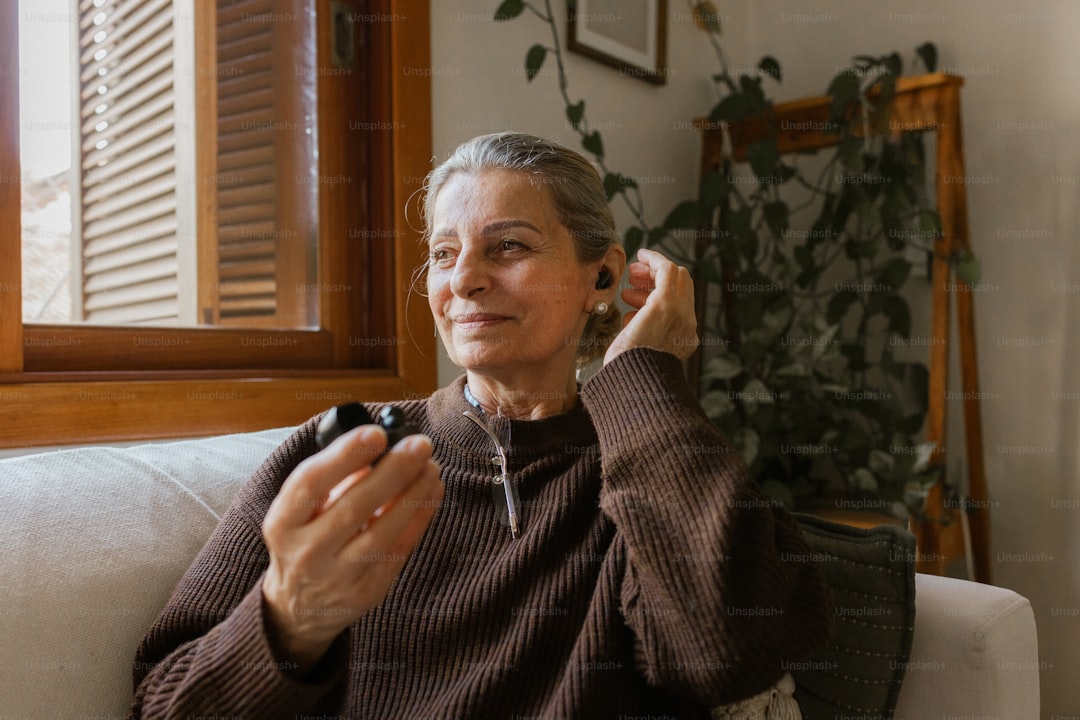
Have you ever watched a kid build a tower of blocks and then knock it down with a big laugh? Or seen them make a stuffed animal talk in a funny voice? To most of us, that’s just play. But to a trained play therapist, that block tower might be a way for a child to show anger or frustration. That stuffed animal might be practicing how to say something hard to a parent. Play is how kids naturally talk, even when they don’t have the words. If you love working with children and want a career that feels meaningful every single day, becoming a play therapist could be exactly the path for you.
Kids are not just small adults. When something scary or sad happens in their lives, they often cannot sit in a chair and explain how they feel. They don’t have the vocabulary or the brain development to do that. Instead, they show you through their actions. A child who has been through a divorce might always make the mom and dad dolls live in separate houses in the dollhouse. A kid dealing with anxiety might draw monsters over and over. Play therapists are trained to understand these messages and help children work through their feelings in a safe, gentle way.
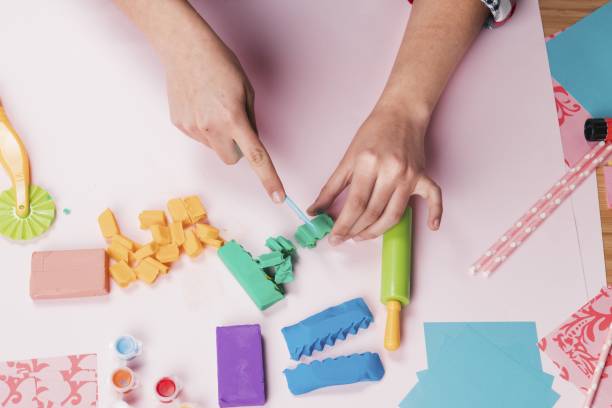
In a play therapy session, the room is filled with carefully chosen toys: sand trays, puppets, art supplies, dress-up clothes, and games. The therapist does not tell the child what to do. Instead, they follow the child’s lead. If a child wants to be a superhero for an hour, the therapist plays along, asking questions that help the child think about courage or fear. Over time, the child learns to handle big emotions, solve problems, and feel more in control. It looks like fun, and it is fun, but underneath that fun is real healing.
Who can benefit from play therapy? Lots of kids. Children who have been through trauma, like abuse or a car accident. Kids with ADHD who struggle to focus and feel frustrated all the time. Children dealing with grief after losing a loved one. Kids on the autism spectrum who have trouble connecting with others. Even just everyday problems, like a move to a new school or a new baby in the family, can be confusing for a kid. Play therapy gives them a space to sort it all out with a caring adult who really gets it.
So how do you become a play therapist? First, you need a degree. Most play therapists start with a master’s degree in counseling, social work, psychology, or marriage and family therapy. That’s the foundation. After graduating, you get licensed in your state, which usually means passing a test and doing a certain number of supervised hours working with clients. Then comes the specialized training. The Association for Play Therapy offers certificates that show you have the right skills. You take courses on things like sand tray therapy, filial therapy (teaching parents to use play at home), and how to spot trauma in a child’s play. You also need a certain number of hours actually doing play therapy under a supervisor who is already certified. It takes time and dedication, but it is totally doable if you are serious about helping kids.
Let me tell you about a real example that a play therapist might see. Imagine a seven-year-old named Mia. Her parents just split up, and she is acting out at school and having trouble sleeping. She comes to the playroom. At first, she just throws toys around. The therapist stays calm and says, “You seem really angry. You can let that anger out here.” Over several weeks, Mia starts using the toy ambulance to rescue a baby doll. Then she builds a house with two doors. Slowly, she begins to talk about how much she misses having both parents around. The therapist never forces her. The play itself leads her to a place where she can heal. That is the power of this work.
As a play therapist, you could work in a private practice, a school, a hospital, or a community mental health center. The hours can be flexible, and you often get to work with families too. It is a career that is in high demand because there are never enough people trained to help kids in this special way. And the best part? You get to see real change happen. A child who came in scared and angry starts to smile, starts to trust, starts to sleep better. You helped make that happen.
If you are thinking about a career change or just starting out, and you have a soft spot for kids and a curious mind, play therapy is worth exploring. It combines psychology with creativity. It lets you be playful while doing serious work. And it gives children a voice when they don’t have the words. That is a pretty amazing superpower to have.