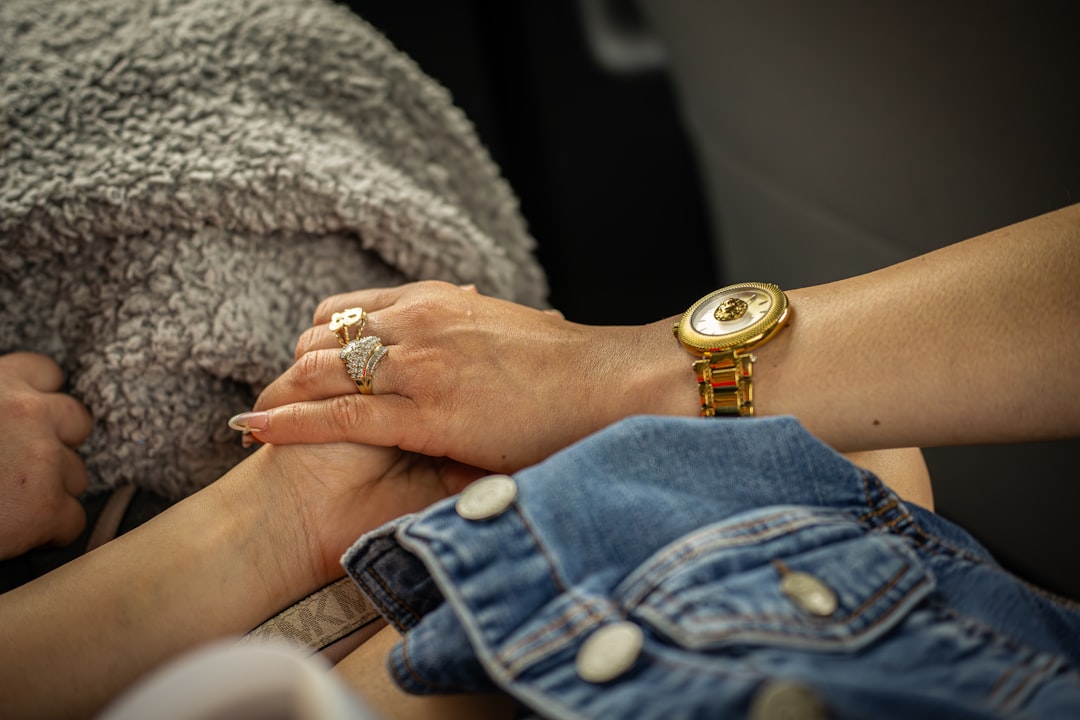
So you want to help people who are hurting. Maybe you’ve thought about becoming a therapist, a counselor, or someone who walks with others through their hardest times. One of the most powerful ways to do that is by becoming a licensed clinical social worker, or LCSW. This is a real path for real people like you. It takes time and hard work, but I promise it’s totally worth it.
First, let’s talk about what a clinical social worker actually does. You probably already have a good idea. These are the folks who sit with people in their pain, listen to their stories, and help them find a way forward. They work in hospitals, schools, private practices, and community centers. They help with mental health issues, addiction, family problems, and trauma. An LCSW is a social worker who has extra training and a special license to do therapy. That means you can diagnose mental health conditions and provide treatment. Pretty cool, right?
Now, how do you get there? I’ll break it down in a way that feels simple and doable.
The first step is getting your bachelor’s degree. You don’t have to major in social work, but it helps. If you already have a degree in something else, no worries. You can still get a master’s in social work later. But if you’re starting from scratch, a Bachelor of Social Work, or BSW, is a great choice. It will get you ready for the next level. The key is to pick a school that is accredited by the Council on Social Work Education. That matters a lot because your license depends on it.
Next comes your master’s degree, which is called an MSW. This is where you really learn the skills to become a clinical social worker. Most programs take two years if you go full-time. You’ll take classes about human behavior, therapy techniques, ethics, and cultural diversity. You’ll also do a lot of hands-on work called field placement. That’s just a fancy term for an internship where you actually work with real clients under supervision. It sounds scary, but it’s the best part. You get to practice what you’re learning.
After you finish your MSW, you still aren’t a licensed clinical social worker yet. You need something called supervised clinical experience. That means you work for a certain number of hours under the watch of a licensed supervisor. Usually it’s around 3,000 hours, but it can vary depending on your state. That’s about two to three years of full-time work. During this time, you’ll be doing therapy with people and getting feedback from your supervisor. Think of it like a really long apprenticeship. You learn so much during these years, and you build confidence.
Once you complete those hours, it’s time for the big test. The Association of Social Work Boards gives a special exam for clinical social workers. You have to study hard for it. There are practice tests and study guides available online. Many people take a prep course to feel ready. The test covers everything from how to do therapy to legal rules you have to follow. When you pass, you can apply for your license in your state. Each state has its own rules, so make sure to check with your state’s licensing board. Some states also require a background check and proof of your hours.
Finally, you get your LCSW. That is your license to practice as a clinical social worker. But it’s not the end. You have to keep learning. Most states require continuing education credits every year or two. That means you go to workshops, take online classes, or attend conferences. It keeps your skills fresh and your knowledge up to date.
I want to be honest with you. This path is not a quick one. It takes around six to eight years after high school, depending on your pace. There are costs for school, time studying, and stressful moments. But I also want to tell you something important. Every day as a clinical social worker, you get to make a real difference. You see people heal. You help families stay together. You give hope to someone who had none. That feeling is priceless.
If you’re thinking about this career, start small. Talk to social workers in your area. Ask them what they love and what is hard. Look into schools and figure out how to pay for them. And most of all, believe that you can do it. Many people like you have walked this road before. You are not alone.
So take a deep breath. Your journey starts now. One step at a time, you can become a licensed clinical social worker and change lives, including your own.