Have you ever tried to talk about something really hard, but the words just wouldn’t come out? Maybe you felt sad or scared or angry, but when someone asked what was wrong, you just shrugged. For kids, this happens all the time. Grown-ups can sit in a chair and talk about their feelings for an hour. But children? They don’t have the words yet. Their brains are still growing, and the part that controls talking about emotions isn’t fully ready. So how can they get help when they’re hurting? That’s where play therapy comes in.
Play therapy is exactly what it sounds like. A trained therapist uses play to help children work through tough emotions, scary experiences, and big life changes. Instead of sitting across from a kid and asking “How does that make you feel?“ the therapist gets down on the floor and plays with them. They use toys, puppets, art supplies, sandboxes, and games. To a child, this feels like fun. But underneath, something amazing is happening. The child is telling their story through the play.
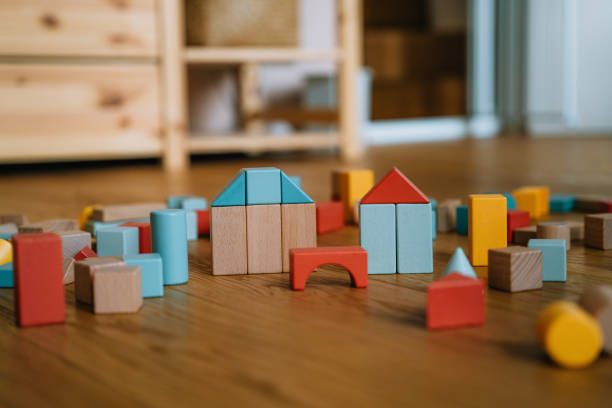
Think about it this way. When you were little, did you ever play house or pretend to be a superhero? Maybe you acted out a fight with your brother using action figures. Children naturally use play to make sense of the world. If something scary happened, they might act it out with dolls. If they feel out of control, they might build a tower and knock it down again and again. Play is their language. The toys are their words. A play therapist is trained to understand that language.
There are different kinds of play therapy, but the most common one is called child-centered play therapy. In this kind of therapy, the child leads the session. They decide what to play with and how. The therapist follows along, watches carefully, and sometimes says things like “You seem really mad at that dinosaur” or “I wonder if that dragon is feeling lonely.“ This helps the child feel seen and understood. Over time, the child starts to feel safe enough to express deeper things. They might show anger that they can’t say out loud. They might act out a scary memory with toy cars. And bit by bit, the feelings stop being so big and scary.
Play therapy works for all sorts of problems. Kids who have gone through trauma, like a divorce, a move, or even abuse, can use play therapy to process what happened. Kids with anxiety or depression can learn new ways to cope. Kids with autism or ADHD can build social skills and emotional control through structured play. And it’s not just for little kids. Even preteens and teenagers can benefit, though the play changes to things like art, music, or board games.
The amazing thing is that play therapy is backed by science. Research shows it helps kids get better at handling their emotions, improves behavior at home and school, and strengthens the bond between parent and child. The therapist also works with parents to help them understand what their child is communicating through play. So it’s not just a fun hour of toys. It’s real, serious help that changes lives.
If you’re thinking about becoming a therapist who works with kids and teens, play therapy is one of the most rewarding paths you can take. You get to be a person who helps children heal without making them talk about things they’re not ready to talk about. You use your creativity, your patience, and your heart. And you get to witness the moment a child who was silent starts laughing, or a child who was wild and angry starts to calm down and connect.
To become a play therapist, you first need a degree in counseling, social work, psychology, or a similar field. Then you take extra training in play therapy. Many universities offer certificates or specialized courses. There’s also a national organization called the Association for Play Therapy that sets the standards and offers credentials. It takes time and effort, but the payoff is huge. You get to be the person who helps a child find their voice when words just won’t do.
So next time you see a kid playing with dolls or building with blocks, remember. That play might look simple, but it can be the doorway to healing. For children, play isn’t just fun. It’s how they say the things that matter most. And with the right therapist guiding them, that play can change everything.