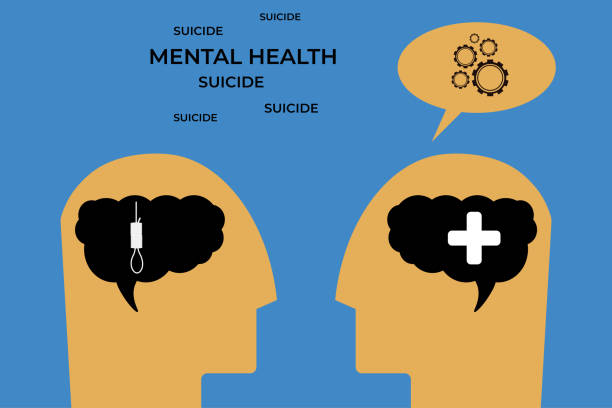
If you are thinking about getting a bachelor’s degree in psychology, you probably have a lot of questions. What will you actually study? Will it help you get a job? Is it hard? Let me walk you through it in a simple, friendly way. This is for anyone who wants to help people, understand why they think and act the way they do, and maybe someday work in therapy, counseling, social work, or even business. A bachelor’s in psychology is your starting line.
First, you will learn about the basics of how your mind works. You will take classes on human development. That means you will study how people grow and change from being a baby all the way to being old. You will learn why toddlers throw tantrums, why teenagers feel everything so strongly, and why adults sometimes get stuck in their ways. This helps you understand yourself and the people around you much better.
You will also study something called social psychology. This is all about how other people affect you. Why do you act different when you are with friends versus alone? Why do people follow the crowd even when they know it is wrong? These are big questions, and you will explore them in class. You might even run little experiments with your classmates to see how people behave. It is like being a detective for human behavior.
Another big part of a psychology bachelor’s is learning about abnormal psychology. Do not let the word “abnormal” scare you. This just means mental health problems like depression, anxiety, addiction, or more serious conditions. You will learn what causes them, what the symptoms look like, and what treatments help. This is very useful if you want to become a therapist or counselor someday. But even if you do not, you will have a much better understanding of what your friends or family members might be going through.
You will also take classes on how to do research. That might sound boring, but it is actually really important. In psychology, we do not just guess why people act the way they do. We test it. You will learn how to design a simple study, how to ask questions the right way, and how to look at the numbers to see if your idea was correct. This skill is super useful in almost any job because it teaches you to think clearly and not jump to conclusions.
Now, what about the hands-on stuff? Many psychology bachelor’s programs let you do an internship or a practicum. That means you go to a real place where people are getting help, like a school, a hospital, or a community center. You will watch professionals work, and you might even help out a little. This is where you really start to see if you like working with people in a helping way. It can be scary at first, but it is also the most exciting part.
So, after you finish your bachelor’s degree, what can you do? A lot of people think you have to keep going to school to be a psychologist. That is true if you want to be a licensed therapist or a clinical psychologist. You would need a master’s or a doctoral degree. But your bachelor’s is the first big step. You can also find jobs right away with just a bachelor’s. For example, you could work as a case manager, helping people find services they need. You could work in a group home, supporting people with disabilities. You could be a mental health technician in a hospital, offering support to patients. You could even go into human resources, helping companies hire and support their workers. A whole world of careers opens up.
I want to be honest with you. A bachelor’s in psychology is not always easy. There is a lot of reading. You will have to write papers where you explain your ideas. You will have to memorize some terms. But the good news is that the topics are about real life. You will find yourself talking about what you learned at dinner with your family or friends. You will start noticing things about people that you never noticed before. It makes the world a more interesting place.
One more thing. You do not have to be a perfect student to do well in psychology. You just need to be curious. If you wonder why people cry when they are happy, or why some people get nervous before a test, or how to help a friend who is sad, then you already have the right attitude. A bachelor’s degree will give you the tools to answer those questions and turn your curiosity into a career.
So take that first step. Sign up for an intro class. Talk to an advisor. Start looking at programs. The path to helping others begins with understanding them, and that is exactly what a bachelor’s in psychology teaches you. You have got this.