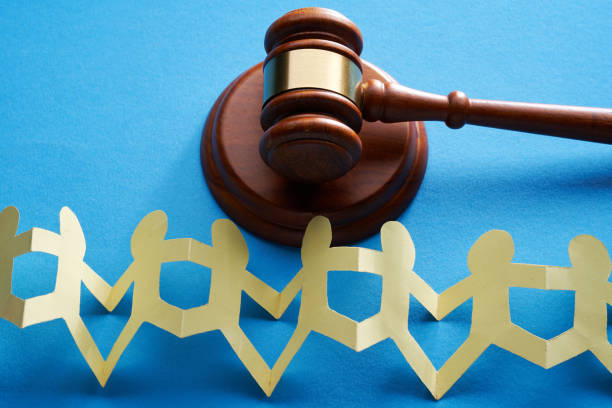
Imagine you are sitting in a huge, quiet courtroom. It smells like old wood and paper. On one side sits the person accused of a crime. On the other side sits the judge in a long black robe. In the middle of the room are twelve chairs. Those chairs are empty right now. Filling those chairs with the right people is one of the most important jobs in the whole trial. And believe it or not, a psychologist is often the one helping to decide who gets to sit there. This is a big part of forensic psychology.
When you think of a forensic psychologist, you probably think of someone who tries to get inside the mind of a criminal. That is part of it, for sure. But a huge part of the job happens way before any witness says a single word. It happens during jury selection. The lawyers on both sides want a jury that will see the case their way. The psychologist is not a mind reader, but they are a people reader. They study how people think, what makes them believe certain things, and what hidden feelings they might have that could affect their decision.
The process starts way before the jury pool even walks into the courtroom. The psychologist works with the legal team to build a profile of the perfect juror. This is not about finding someone who already knows the defendant. It is about finding someone whose life experiences might make them lean one way or the other. For example, in a case about a car accident, a person who used to be a truck driver might have strong feelings about how big trucks should be driven. A person who was once hurt in a crash might feel very scared of drivers who speed. The psychologist helps the lawyers see these hidden stories.
When the real people show up for jury duty, the psychologist watches everything. They watch how a person sits. Do they cross their arms? Do they lean forward with interest? Do they smile when the judge talks? They listen to how people answer questions. Do they give long, detailed answers or short, grumpy ones? Every little clue is a piece of a puzzle. The psychologist knows that even nice, honest people have biases. A bias is a shortcut your brain takes. For instance, you might think someone in a suit looks more honest than someone in a hoodie. That is a bias. It is not fair, but it is real. A good forensic psychologist helps the lawyers spot these biases.
Sometimes, the psychologist even creates special questions to ask the jury pool. These questions are not about the crime. They are about things like feelings toward police, thoughts on mental illness, or even opinions on a certain type of music. These questions help uncover deep beliefs that a person might not even know they have. If a person says they trust police no matter what, they might not be fair to a defendant who says a police officer lied. The psychologist flags this person as a risk.
The whole goal is to create a jury that is as fair and balanced as humanly possible. You can never get a perfect group of twelve people. Everyone has a past. But you can avoid the people who have a past that would make them unfair for that specific case. The psychologist is like a guide, walking the lawyers through a maze of human minds. It is a slow, careful job. It takes a lot of patience and a lot of reading between the lines.
For someone looking to start a career in therapy or psychology, this part of the work is really exciting. You do not have to be a detective in a trench coat. You are a detective of the human heart. You use your training in how people work to protect the most basic idea of our legal system: everyone deserves a fair trial. It is not about winning for one side. It is about making sure the system works the way it is supposed to. The law is written in books, but justice lives in people. Forensic psychology helps make sure those two things connect.